
75 nightsFrom Fort Lauderdale33 ports of call
Grand South America Fort Lauderdale, Florida to Fort Lauderdale, Florida
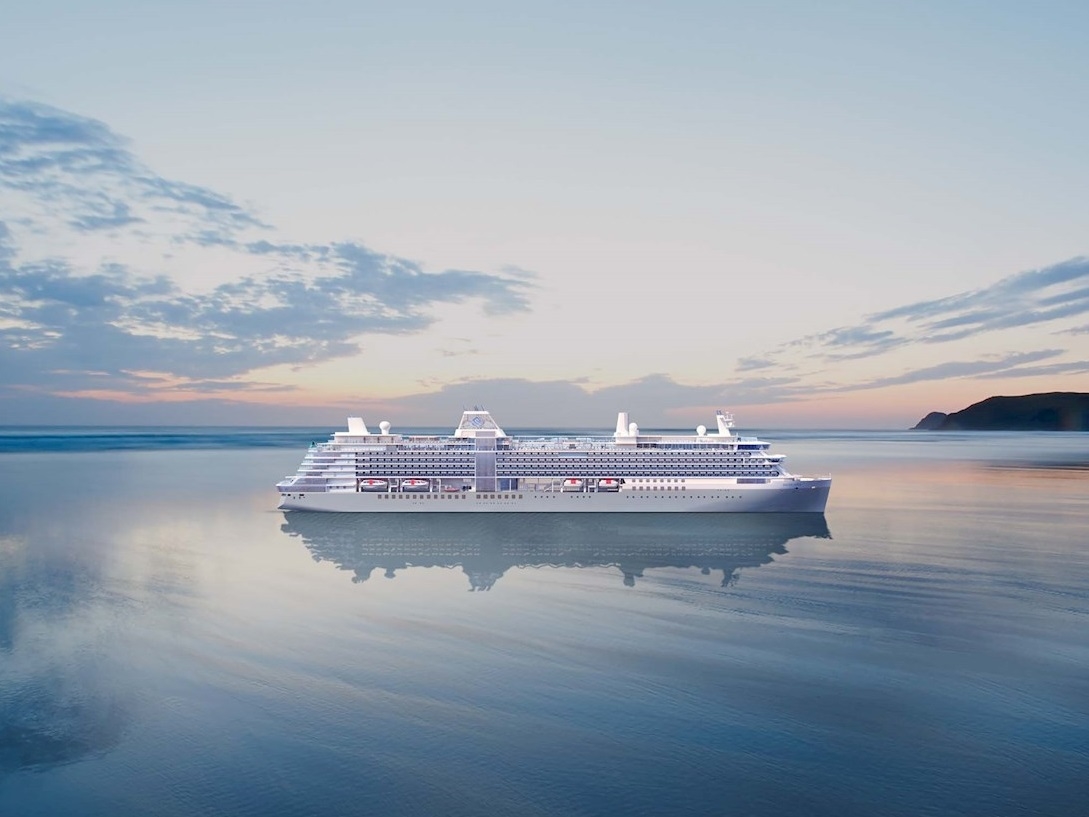
Silversea · Silver Nova
Overview
A 75-night voyage aboard Silver Nova, departing Fort Lauderdale on 13 Jan 2029 and returning to the same port, calling at 33 destinations along the way.
Fort LauderdaleSan Juan, Puerto RicoSt. KittsGustavia, Saint BarthelemySt John's, AntiguaRoseauSoufriereBridgetown, BarbadosParintinsManausBoca De ValeiraRecifeSalvadorRio de JaneiroIlhabelaSan Francisco do Sul, BrazilBalneario CamboriuPunta del EsteMontevideoBuenos AiresPuerto MadrynPort StanleyAntarcticaUshuaia, ArgentinaPunta Arenas, ChilePuerto MonttSan Antonio, ChileAricaCallao, PeruFuerte Amador, Panama CityCartagena, ColombiaSanto Domingo, Dominican RepublicFort Lauderdale
Cabin prices
Live prices per person based on two sharing. Select a grade to see its fare options.
Loading live cabin prices…
Itinerary
75 nights · 77 ports of call- 1
Day 1 ·Fort Lauderdale, FloridaEmbark
13 Jan 2029Depart 17:00With its heady mix of Creole culture and French sophistication, there is more than a pinch of je ne sais quoi in Fort de France. The capital of Martinique, and by far the biggest city in the whole of the French West Indies, if you are looking for Paris in the Caribbean, you’ll find it in Fort de France.
The island has been under French govern since 1638 when the first governor of Martinique Jacques Dyel du Parquet commissioned a fort (from which the city takes its name) to keep out invaders. Not even an unsuccessful attack by the British in 1720, nor the French Revolution in 1789, has been able to shake the French govern of the island and today the city’s French and Creole heritage are impossible to untangle. The colonial past is everywhere, take a stroll down the narrow streets and enjoy the remarkable architecture of the Schœlcher Library, St. Louis Cathedral and the Old Town Hall. Among the many legacies Dyel du Parquet left on the island is sugarcane. A drive through the tropical forests will not only reward you with trees bending under the weight of papayas, mangoes and bananas, but will also afford superb vistas of the elegant plant swaying in the breeze. The arrival and subsequent export of sugar brought the French bourgeoisie in their droves and many of their mansions are still standing. Josephine de Beauharnais, the Napoleonic Empress of “not tonight” fame, hails from the island and those interested will find her childhood home, La Pagerie in nearby Trois Ilets. - 2
Day 2 ·At Sea
14 Jan 2029 - 3
Day 3 ·At Sea
15 Jan 2029 - 4
Day 4 ·San Juan, Puerto Rico
16 Jan 2029Arrive 09:00Depart 17:00Sitting on the north coast of this lush, tropical island, San Juan is the second settlement founded by European settlers in the Caribbean, and the oldest city under US jurisdiction. The stocky walls and watchtowers here have stood the test of time, repelling notable invaders – such as Sir Francis Drake – and the pirates who historically looted these islands. With massive fortresses, airy plazas and sheer Caribbean beauty, San Juan is a beach-blessed star of these turquoise waters. View less
With more than 500 years of European history, Old San Juan gleams In Puerto Rico’s sunshine, with sugar-almond painted facades and ankle-testing cobbled lanes. Decorative balconies and varnished wooden doors add everyday artistry to streets, dripping with history. Soak up the culture at rum-fuelled parties and salsa dances on this Spanish-culture infused island, or recline into afternoon relaxation sessions on sensational slivers of gleaming sand. Kick back on the beach, or satisfy a lust for adventure by exploring sprawling mangrove forests. The magic of sea kayaking after dark here is an experience you won't forget. Break the waves with your oar, and watch as the waters illuminate with neon colour, as bioluminescence creates a mystical, peaceful spectacle. Pocked limestone cliffs and karst landscapes add rugged contrast to the serenity of the beaches, and you can walk into folds of the earth in sea-carved caves, or across cliffs to hidden views of the Caribbean’s expanse. Enjoy a taste of the island’s cuisine by sampling Mofongo – a local concoction of green plantains and chicken. Why not indulge and wash it down with an iced mojito, made from crushed mint and locally distilled rum? - 5
Day 5 ·St. Kitts (Basseterre)
17 Jan 2029Arrive 09:00Depart 18:00St. Kitts verdant volcanic slopes rise from crystal clear Caribbean waters, promising a land of escape, relaxation and rejuvenation. A place for ‘limin’ - the local word for kicking back, Caribbean style, you’ll be welcomed to an island paradise blessed with swarming reefs, hidden white-sand beaches, and irresistible shallow seas. Bigger sibling to nearby Nevis, St. Kitts is a place of unrestrained natural beauty. View less
Soak up the dreamy Caribbean bliss, or explore sprawling island rainforests, teeming with hummingbirds and the distant sounds of waterfalls, as you walk the island’s vine-tangled paths. A ride on Basseterre’s scenic sugar train is a rumbling, immersive journey through the heart of this Caribbean island of culture and vivid unspoiled scenery. Carriages that once transported crops of sugar cane to the city sweep around long curving bends, revealing a spectacular introduction to St. Kitts. The landscapes here are beautiful, and things are no less spectacular offshore, where glorious crystalline waters invite you to dive with turtles, and explore doomed wrecks like the River Taw ship – which has now exploded with marine life. In Basseterre itself, stop off to see the pea-green Berkeley Memorial clock, which stands in the Circus, surrounded by busy St. Kitts life. Independence Square is also waiting among the city’s charming Georgian buildings. Renamed from Pall Mall on the 19th of September 1983 - to celebrate the island’s independence - the pretty square gravitates around a colourful burbling fountain, and has a dark history, as a former slave market. Wary canons watch out over the waves far below at Brimstone Hill Fortress, a site of significant history, which dates back to 1690. Known as the ‘Gibraltar of the West Indies’ due to its importance at the heart of the British empire, St. Kitts was one of the first island in the West Indies to be colonised. Nowadays, its World Heritage Site fortress offers panoramic views along the coastline it was built to defend. - 6
Day 6 ·Gustavia
18 Jan 2029Arrive 08:00Depart 22:00Cherry red roofs, yacht-sprinkled bays and a sophisticated French flavour all add to the gorgeous Caribbean allure of Gustavia. The island's capital rolls around a horseshoe-shaped harbour, where gleaming yachts hover and fancy boutiques, bars and restaurants fizz with life and clinking cutlery. Head up to red and white Gustavia Lighthouse to look down over the revered waters, which attract many a celebrity guest and diving enthusiast to these shores. View less
Christopher Columbus was the first European to discover this volcanic island in 1493, giving it the name St Barthelemy in honour of his younger brother. The island has a unique history as a Swedish colony, following a deal with the French King Louis XVI to exchange the island with Sweden for better trading rights. It was returned to French control in 1878 and is now a French Overseas Collectivity. Learn more of the Swedish legacy at Fort Karl - which sits on a 29-metre-high hill above Shell Beach. The fort now lies in ruins, but you'll meet wandering iguanas, and the views down of sweeping sea and emerald coastline are some of the island's finest. Down below, a delightful spread of tiny pebbles and shell fragments are scattered like confetti and lapped by crystal-clear water. A little exploration uncovers countless other glorious beaches and natural wonders. Colombier Beach is a little out of the way but cradles silky-smooth sands and typically turquoise waters. If you have chance, find somewhere to settle and sip fruity rum cocktails as the sunset flares across the waves. - 7
Day 7 ·St. John's, Antigua and Barbuda
19 Jan 2029Arrive 08:00Depart 19:00 - 8
Day 8 ·Roseau, Dominica
20 Jan 2029Arrive 08:00Depart 18:30To fully appreciate the island's unspoiled beauty, a trip into the interior is a must. A good part of Dominica's mountainous terrain is covered with dense evergreen rain forest, where rare plants and animals are still found that have long been extinct on neighboring islands. The Smithsonian Institute called the island a giant plant laboratory, unchanged for 10,000 years. Numerous hot springs bear witness to continuing volcanic activity. Dominica is truly a place to discover nature in all her splendor. But it is not an island for those looking for white sand beaches. Around the mouth of rivers and in sheltered bays, the beaches are pebbly and of dark color. - 9
Day 9 ·Soufriere
21 Jan 2029Arrive 08:00Depart 18:30There are islands in the Caribbean that are more popular than St. Lucia, though they may be far less beautiful. This island has been one of the Caribbean’s best-kept secrets. Visitors who have had unforgettable vacations on green-clad St. Lucia are pleased that the crowds are gathering elsewhere. However, increased building of resorts and villas will escalate tourism in the near future. - 10
Day 10 ·Bridgetown, Barbados
22 Jan 2029Arrive 07:00Depart 23:00Bridgetown, the captivating capital of Barbados, combines faded colonial history, captivating tradition, and vivid white beaches plucked directly from your richest imagination of Caribbean perfection. Recently listed as a UNESCO World Heritage site, thanks to its beautifully preserved colonial architecture, Bridgetown’s mask of modernity covers a core of complex history and fascinating culture. Sherbet coloured buildings line up to overlook the waterfront of the Constitution River at the ‘The Careenage’ - where gleaming ships bob on the blue water, and peaceful strolls along a wooden boardwalk await.
Stop for a sobering moment at the commemorative plaque honouring the people traded at this spot, when Bridgetown was the British Empire’s most important harbour, and first stop on the Transatlantic Slave Trade crossing. Just five minutes’ stroll from here is Carlisle Bay - a postcard-perfect place where you'll find crystal-clear, turquoise seawater glowing in the Caribbean sun, and a mile of soft white powder sand. A treasure trove for divers, the shipwrecks scattered below the shallow water’s waves are now inhabited by turtles and swirling, rainbow-coloured tropical fish. Head to the backstreets, where street food vendors serve up spicy chicken soup, barbecued pigtails and thirst-quenching coconut water. There are bargains aplenty to be had on Broad Street, where duty-free malls and souvenir stalls cram together, vying for your attention. Roebuck Street is the spot where one of the Caribbean’s favourite drinks, rum, was discovered - having been created here from the by-products of the island’s booming sugarcane trade. Nowadays, it’s lined with bars splashing every variety of the deliciously spicy dark libation imaginable into glasses. For a touch more culture, visit one of the oldest synagogues in The Americas - Nidhe Israel Synagogue, which was built in 1654. The adjoining museum tells the story of Barbados’ Jewish immigrants, who were instrumental in the island’s development. - 11
Day 11 ·At Sea
23 Jan 2029 - 12
Day 12 ·At Sea
24 Jan 2029 - 13
Day 13 ·At Sea
25 Jan 2029 - 14
Day 14 ·Cruise Amazon River
26 Jan 2029Arrive 01:00Depart 23:59 - 16
Day 16 ·Parintins
27 Jan 2029Arrive 13:00Depart 18:00The small village of Parintins lies on Tupinambarana Island, which is part of a large river archipelago in the mid-Amazon, 250 miles east of Manaus. In existence for two centuries, Parintins is rich in Indian culture that is represented in the celebrated annual Boi-Bumba festival. It is a ritual of magic, mystery, passion and faith that has been held here for over 80 years, inspired by local legends. View less
A stadium, the Bumbódromo, was built in 1988 to accommodate the over 40,000 spectators that come and take part in this festival each year. The Boi-Bumba is listed on the official Calendar of Events to be one of the highlights in Amazonas State. As a special treat, Silversea has arranged an exclusive performance, enacting the show for you with all the exuberance and vibrancy normally displayed in the real Parintins festival. - 17
Day 17 ·Manaus, Brazil
28 Jan 2029Arrive 13:00As a river port, Manaus presents an unforgettable spectacle. Although the real attractions lie in the surrounding forests and tributaries, the city's most famous attraction is no doubt the opulent Teatro Amazonas. Completed in 1896 after 17 years of construction and at a cost of $3 million, the Manaus Opera House recently underwent a lengthy restoration program and now shines once more in its original splendor. There are also several interesting museums with exhibits geared to provide insight into the human life and ecology of the Amazon region. - 17
Day 17 ·Manaus, Brazil
29 Jan 2029As a river port, Manaus presents an unforgettable spectacle. Although the real attractions lie in the surrounding forests and tributaries, the city's most famous attraction is no doubt the opulent Teatro Amazonas. Completed in 1896 after 17 years of construction and at a cost of $3 million, the Manaus Opera House recently underwent a lengthy restoration program and now shines once more in its original splendor. There are also several interesting museums with exhibits geared to provide insight into the human life and ecology of the Amazon region. - 18
Day 18 ·Manaus, Brazil
30 Jan 2029Depart 13:00As a river port, Manaus presents an unforgettable spectacle. Although the real attractions lie in the surrounding forests and tributaries, the city's most famous attraction is no doubt the opulent Teatro Amazonas. Completed in 1896 after 17 years of construction and at a cost of $3 million, the Manaus Opera House recently underwent a lengthy restoration program and now shines once more in its original splendor. There are also several interesting museums with exhibits geared to provide insight into the human life and ecology of the Amazon region. - 19
Day 19 ·Boca Da Valeria
31 Jan 2029Arrive 08:00Depart 13:00Located between Santarém and Manaus, Boca de Valeria is the entrance to the Valeria Channel (boca meaning mouth). The channel leads to Lake Valeria, which marks the border between the States of Amazonas and Pará. While the ship is at anchor, a colourful picture unfolds as canoes with the local population come out to meet the ship, providing additional excitement to your Amazon experience. There are no facilities to operate any organised excursions.
If conditions permit, the ship’s tenders may take you to one of the typical Caboclo (river dwellers) villages to get a glimpse of the natives’ traditional lifestyle. See monkeys and snakes and also look at a selection of local handicrafts. Recommended dress is lightweight cotton. Sun protection and insect repellent also are essential. - 20
Day 20 ·Cruise Amazon River
1 Feb 2029Arrive 01:00Depart 23:59 - 21
Day 21 ·At Sea
2 Feb 2029 - 22
Day 22 ·At Sea
3 Feb 2029 - 23
Day 23 ·At Sea
4 Feb 2029 - 24
Day 24 ·Recife
5 Feb 2029Arrive 08:00Depart 19:00Recife, with a population of nearly 2 million, is Brazil's fourth largest city and the capital of the State of Pernambuco. It also has the distinction of not having been founded by the Portuguese. In fact, it was the Dutch Prince Maurice of Nassau who founded Recife in 1637 on reclaimed land after his troops had burned Olinda, the original capital. The city center consists of three portions: Recife proper with the dock area and commercial buildings, located on an island formed by the rivers Capibaribe, Beberibe and Pina; Santo Antonio, which is also located on the island; and Boa Vista. The latter part is made into an island by the Canal Tacaruna, which separates it from the mainland. South of the center lies the residential and beach district of Boa Viagem, reached via a bridge across the Pina River. Although Recife itself has long since burst its original, colonial boundaries and much of the city center is given over to modern skyscrapers and office buildings, there are still a few quiet squares with a number of impressive churches and lovely public buildings as well as several interesting museums. In addition, nearby Olinda lends colonial grace and elegance which accounts for much of the area's attraction as a tourist destination. The less determined sightseer will find parks, beaches, and especially the markets, where it is easy to absorb the feel of the city and watch people get on with their lives. - 25
Day 25 ·At Sea
6 Feb 2029 - 26
Day 26 ·Salvador De Bahia, Brazil
7 Feb 2029Arrive 08:00Depart 19:00Multicolored buildings surrounding Pelourinho Square, narrow cobblestone streets, a colorful market and countless churches make a picturesque and fascinating historic center. Toward the mouth of the bay lies the newer section, with skyscrapers and some fine homes built during the last century. Farther out, at Porto da Barra, are the best city beaches, bars and restaurants. At the mouth of the bay stands the Fort of San Antonio, built on the spot where Amérigo Vespucci landed in 1501. The road along the seafront passes the famous lighthouse and leads to Salvador's new suburbs along a string of golden beaches. - 27
Day 27 ·At Sea
8 Feb 2029 - 28
Day 28 ·At Sea
9 Feb 2029 - 29
Day 29 ·Rio de Janeiro, Brazil
10 Feb 2029Arrive 08:00Today, with the center rebuilt many times since colonial days, the major interest lies in the beach communities south of the city center rather than in Rio's buildings and monuments. For some 60 years, the beach districts of Copacabana, Ipanema and Leblon have been Rio's heart and soul, providing a constant source of recreation to maintain the city's fame as the most dynamic and captivating tourist capital in South America. - 30
Day 30 ·Rio de Janeiro, Brazil
11 Feb 2029Today, with the center rebuilt many times since colonial days, the major interest lies in the beach communities south of the city center rather than in Rio's buildings and monuments. For some 60 years, the beach districts of Copacabana, Ipanema and Leblon have been Rio's heart and soul, providing a constant source of recreation to maintain the city's fame as the most dynamic and captivating tourist capital in South America. - 31
Day 31 ·Rio de Janeiro, Brazil
12 Feb 2029Today, with the center rebuilt many times since colonial days, the major interest lies in the beach communities south of the city center rather than in Rio's buildings and monuments. For some 60 years, the beach districts of Copacabana, Ipanema and Leblon have been Rio's heart and soul, providing a constant source of recreation to maintain the city's fame as the most dynamic and captivating tourist capital in South America. - 32
Day 32 ·Rio de Janeiro, Brazil
13 Feb 2029Depart 18:00Today, with the center rebuilt many times since colonial days, the major interest lies in the beach communities south of the city center rather than in Rio's buildings and monuments. For some 60 years, the beach districts of Copacabana, Ipanema and Leblon have been Rio's heart and soul, providing a constant source of recreation to maintain the city's fame as the most dynamic and captivating tourist capital in South America. - 33
Day 33 ·Ilhabela, Brazil
14 Feb 2029Arrive 08:00Depart 17:00Portuguese for beautiful island, Ilhabela carries its name well. Considered a natural paradise by both locals and visitors alike, the island is a kaleidoscope of beautiful beaches, lush tropical rainforests and an incredible 360 waterfalls. Located a four hour drive (and a 15-minute ferry ride) from São Paolo, 85% of the island is a UNESCO-Biosphere Reserve. View less
While people may come initially to Ihalbela for its famous beaches, (one of which was named as a top ten worldwide beach by The Guardian), expect much greater things that just sunning and relaxing in the shade from this little island. With almost 25 miles/40 kilometres of pristine beaches, fun in the sun is certainly always an option, but Ilhabela is also a vibrant little city, full of vivacity and history, just waiting to be discovered. Located on the west coast of the island, Ilhabela town still shows signs of its colonial past, examples of which can be see through the local architecture. Perhaps one of the most photogenic chapels you will see on the island is the Nossa Senhora D’Ajuda. Built in 1806, the Catholic church is a pretty little white-washed building set on a hill, positioned as if protecting over the town. Decked with colourful bunting much of the time, the church is filled to the rafters on holy days with locals expressing their faith. The interior of the church has signs of faded grand charm, much like the city itself. Several miles before the entrance to town, on the way to the ferry, is the Princess’ House, an impressive 18th-century mansion belonging to the Fazenda Engenho d’Agua, one of the most important of Ilhabela’s many former sugar plantations. - 34
Day 34 ·Sao Francisco Do Sul, Brazil
15 Feb 2029Arrive 09:30Depart 19:00 - 35
Day 35 ·Balneario Camboriu
16 Feb 2029Arrive 08:00Depart 17:00 - 36
Day 36 ·At Sea
17 Feb 2029 - 38
Day 38 ·Punta del Este, Uruguay
18 Feb 2029Arrive 12:30Depart 23:00Renowned for its international conferences and film festivals, Punta del Este is one of the finest beach resorts in South America. Many wealthy Uruguayans, Argentines and Brazilians have built spectacular mansions along the magnificent coastline. Celebrities and jet-setters from across the globe frequent Punta del Este for the beaches, fresh air and nightlife. For many of Montevideo's residents this fashionable resort provides a popular weekend getaway.
With a skyline of alternating high-rise towers and million-dollar mansions, Punta del Este is host to a sophisticated culture and a swinging social scene.
During the day locals and visitors hit the beaches of the peninsula that provide a perfect setting for a variety of watersports. The land side, with its sand dunes, large forests of pines, eucalyptus and mimosa, makes a fitting contrast. A marina full of sleek yachts, excellent restaurants, chic boutiques, art galleries, a renowned museum, casinos and three golf courses add to a Riviera-like atmosphere. - 38
Day 38 ·Montevideo, Uruguay
19 Feb 2029Arrive 08:00Depart 18:00With its population of 1,362,000, Montevideo is home to nearly half of Uruguay's population. The relatively small capital is the nation's only major city, yet visitors do not come here in search of the hustle and bustle of a large metropolis. Montevideanos themselves travel to Buenos Aires and São Paulo when they crave big-city excitement. As Uruguay's cultural, political and economic center, the city boasts a good number of monuments, museums and impressive architecture. There are sidewalk cafés, fine restaurants, chic shops, casinos and miles of clean beaches.
For such a small country, Uruguay boasts an astonishing literary and artistic tradition. Theater is a popular medium and playwrights are very prominent. Uruguayan artists such as Pedro Figari have earned recognition well beyond the country's border. The tango is nearly as popular here as in Argentina. Afro-Uruguayan Candomblé music and dance add a unique dimension. - 39
Day 39 ·Buenos Aires
20 Feb 2029Arrive 07:00Passionate, and alive with an infectious crackling energy, the Argentine capital is a breathlessly romantic city, which blends old-world colonial architecture with a down-to-earth Latin American clamour. Famed for steamy tango interplays, and expertly seared steak slabs, a visit to Buenos Aires is a fiery fiesta for the senses. Parque Tres de Febrero is a 400-hectare oasis where 18,000 rose bushes bloom, and skyscrapers give way to still lakes and pretty paths of rollerblading locals.
Mighty palm trees - that look like exploding fireworks - stand tall in Plaza de Mayo, the heart of this sprawling cosmopolitan capital of 48 barrios. The square has served as the stage for many fundamental events in this country’s history, and the location where the seeds of independence were sewn continues to serve as the city’s gathering point - and is a place for solidarity, rebellion and revolution. The presidential Casa Rosada’s salmon-hued Palatial Palace borders the plaza, while nearby Museum Nacional de Bellas Artes houses the largest collection of public art in Latin America. Teatro Colón, the opulent 1908 opera house, is one of the world’s finest venues - musical performance here take on an ethereal quality, with the exceptional acoustics transferring every quiver of bow, and tremor of vocal cord, to the audience in spine-tingling clarity. The gargantuan, precipitous terraces of Bombonera Stadium form another of Buenos Aires’s incredible venues, and a wall of noise emanates from it when Boca Juniors take to the field. Juicy steak and punchy Malbec flow in the city’s parrillas – steakhouses - while glitzy bars and thumping nightclubs welcome revellers late into the night. It’s not just the meat that sizzles here either - tango dancers fill milongas - dance halls - to strut passionately until the early hours. Sip steaming mate, the country’s national drink, shop in covered markets, and explore Cementerio de la Recoleta - a city of grand graves and intricate memorials honouring presidents, politicians and notable Argentine heroes from history. - 40
Day 40 ·Buenos Aires
21 Feb 2029Depart 19:00Passionate, and alive with an infectious crackling energy, the Argentine capital is a breathlessly romantic city, which blends old-world colonial architecture with a down-to-earth Latin American clamour. Famed for steamy tango interplays, and expertly seared steak slabs, a visit to Buenos Aires is a fiery fiesta for the senses. Parque Tres de Febrero is a 400-hectare oasis where 18,000 rose bushes bloom, and skyscrapers give way to still lakes and pretty paths of rollerblading locals.
Mighty palm trees - that look like exploding fireworks - stand tall in Plaza de Mayo, the heart of this sprawling cosmopolitan capital of 48 barrios. The square has served as the stage for many fundamental events in this country’s history, and the location where the seeds of independence were sewn continues to serve as the city’s gathering point - and is a place for solidarity, rebellion and revolution. The presidential Casa Rosada’s salmon-hued Palatial Palace borders the plaza, while nearby Museum Nacional de Bellas Artes houses the largest collection of public art in Latin America. Teatro Colón, the opulent 1908 opera house, is one of the world’s finest venues - musical performance here take on an ethereal quality, with the exceptional acoustics transferring every quiver of bow, and tremor of vocal cord, to the audience in spine-tingling clarity. The gargantuan, precipitous terraces of Bombonera Stadium form another of Buenos Aires’s incredible venues, and a wall of noise emanates from it when Boca Juniors take to the field. Juicy steak and punchy Malbec flow in the city’s parrillas – steakhouses - while glitzy bars and thumping nightclubs welcome revellers late into the night. It’s not just the meat that sizzles here either - tango dancers fill milongas - dance halls - to strut passionately until the early hours. Sip steaming mate, the country’s national drink, shop in covered markets, and explore Cementerio de la Recoleta - a city of grand graves and intricate memorials honouring presidents, politicians and notable Argentine heroes from history. - 41
Day 41 ·At Sea
22 Feb 2029 - 42
Day 42 ·At Sea
23 Feb 2029 - 43
Day 43 ·Puerto Madryn
24 Feb 2029Arrive 07:00Depart 16:30Puerto Madryn has experienced rapid development thanks to Argentina's first aluminum plant established here. Lately it has also become a popular tourist center because of its excellent diving and water sports opportunities, attracting visitors from all over Argentina and other parts of South America. Still, its major draw is the proximity to such important wildlife reserves as Punta Tombo and the Valdes Peninsula. Scores of visitors endure long drives to visit these amazing nature reserves to see Magellanic penguins, elephant seals, sea lions and whales.
In town, a casino and several restaurants known for good seafood provide visitors with basic diversions. In addition, there is the Museum of Natural Sciences and Oceanography with exhibits portraying the remarkable wildlife in Chubut Province. Main street shops offer a limited selection of leather goods, water sports equipment and items made by the Patagonian Indians. - 44
Day 44 ·At Sea
25 Feb 2029 - 45
Day 45 ·Port Stanley, Falkland Islands
26 Feb 2029Arrive 11:30Depart 19:30Tiny Stanley, capital of the Falklands, seems in many ways like a British village fallen out of the sky. Many homes are painted in bright colors, adding visual appeal to this distant outpost. Not far offshore, the wreck of the Lady Elizabeth, is one of the many vessels remaining as a silent testimonial to the region's frequent harsh weather conditions.
The islands, also known by their Spanish name of Islas Malvinas, are home to arguably more tuxedo-clad inhabitants of the penguin variety than human residents. Various species, such as Gentoo, King and the more elusive Macaroni penguins, either live here permanently or use the Falklands as a stopover on their migration route. Giant Sea Elephants and Southern Sea Lions also come here to breed and give birth. Darwin found the islands' flora and fauna fascinating — no doubt you will, too. - 46
Day 46 ·At Sea
27 Feb 2029 - 48
Day 48 ·Antarctic Peninsula, Antarctica
28 Feb 2029Arrive 15:00Depart 18:00The Antarctic Peninsula unravels upwards towards South America, reaching out a beckoning finger to the adventurous, who dare to explore this untamed realm. Stretching up from the heart of the world’s southernmost continent, the Antarctic Peninsula lies a mere 620 mile from Tierra del Fuego and, for many, offers a spectacular first taste of the snow-blanketed landscapes and colossal ice sculptures, which make up Earth’s least-explored continent.
Unseen by humans until 1820 - a blink of an eye ago in relative terms - this is an adventure sure to make your hairs stand on end, as you experience the thrill of the truly unknown and extraordinary. The vast peninsula is sprinkled with research bases, which are at the frontline of human scientific endeavour, pushing to study and understand this unique landscape, its exceptional wildlife, and the impact that humans are having on this pristine continent. Witness cathedral-sized icebergs up close, and blue-hued glaciers, slowly slipping from imposing locations like Hope Bay. Blanched mountain peaks cover the peninsula, and you’ll find thousands of adorable Adelie penguin pairs thriving undisturbed in this peninsula’s unique setting. - 48
Day 48 ·Antarctic Peninsula, Antarctica
1 Mar 2029Arrive 06:00Depart 18:00The Antarctic Peninsula unravels upwards towards South America, reaching out a beckoning finger to the adventurous, who dare to explore this untamed realm. Stretching up from the heart of the world’s southernmost continent, the Antarctic Peninsula lies a mere 620 mile from Tierra del Fuego and, for many, offers a spectacular first taste of the snow-blanketed landscapes and colossal ice sculptures, which make up Earth’s least-explored continent.
Unseen by humans until 1820 - a blink of an eye ago in relative terms - this is an adventure sure to make your hairs stand on end, as you experience the thrill of the truly unknown and extraordinary. The vast peninsula is sprinkled with research bases, which are at the frontline of human scientific endeavour, pushing to study and understand this unique landscape, its exceptional wildlife, and the impact that humans are having on this pristine continent. Witness cathedral-sized icebergs up close, and blue-hued glaciers, slowly slipping from imposing locations like Hope Bay. Blanched mountain peaks cover the peninsula, and you’ll find thousands of adorable Adelie penguin pairs thriving undisturbed in this peninsula’s unique setting. - 49
Day 49 ·Antarctic Peninsula, Antarctica
2 Mar 2029Arrive 06:00Depart 18:00The Antarctic Peninsula unravels upwards towards South America, reaching out a beckoning finger to the adventurous, who dare to explore this untamed realm. Stretching up from the heart of the world’s southernmost continent, the Antarctic Peninsula lies a mere 620 mile from Tierra del Fuego and, for many, offers a spectacular first taste of the snow-blanketed landscapes and colossal ice sculptures, which make up Earth’s least-explored continent.
Unseen by humans until 1820 - a blink of an eye ago in relative terms - this is an adventure sure to make your hairs stand on end, as you experience the thrill of the truly unknown and extraordinary. The vast peninsula is sprinkled with research bases, which are at the frontline of human scientific endeavour, pushing to study and understand this unique landscape, its exceptional wildlife, and the impact that humans are having on this pristine continent. Witness cathedral-sized icebergs up close, and blue-hued glaciers, slowly slipping from imposing locations like Hope Bay. Blanched mountain peaks cover the peninsula, and you’ll find thousands of adorable Adelie penguin pairs thriving undisturbed in this peninsula’s unique setting. - 50
Day 50 ·At Sea
3 Mar 2029 - 52
Day 52 ·Ushuaia, Argentina
4 Mar 2029Arrive 14:00A southerly frontier - on the cusp of wild nature and extraordinary adventures - the excitement in Ushuaia is palpable. Prepare for memorable exploits amid the extremes of this southerly location - as you adventure into the colossal scenery of the fractured Tierra del Fuego and beyond. Known as the 'End of the World' Ushuaia looks out across the Beagle Channel, and is surrounded by the Martial Mountains to the north. Despite its remote location, Ushuaia is a surprisingly busy and lively resort, with lots to keep its visitors entertained. View less
For many people, Ushuaia is their last glimpse of anything resembling a city, before they jump off the map into the wilderness, to answer the call of immense national parks or Antarctic expeditions. One of the most dramatic landscapes on the planet - Argentina's land of fire, National Park Tierra del Fuego, is a place of titanic natural forces and limitless beauty. Snow-covered mountains poke the sky, while glaciers spill down between peaks, and gaping fjords open up. With incredible wildlife - from penguins to whales - the park offers some of South America's most amazing hiking opportunities and panoramas. When it comes to food in Ushuaia, locals cook up fierce flavours using the freshest ingredients. King crab is one of the most popular dishes, while sea bass - hauled freshly from the waters - and mounds of meaty mussels - known as cholgas - are also on the menu here. - 52
Day 52 ·Ushuaia, Argentina
5 Mar 2029Depart 06:00A southerly frontier - on the cusp of wild nature and extraordinary adventures - the excitement in Ushuaia is palpable. Prepare for memorable exploits amid the extremes of this southerly location - as you adventure into the colossal scenery of the fractured Tierra del Fuego and beyond. Known as the 'End of the World' Ushuaia looks out across the Beagle Channel, and is surrounded by the Martial Mountains to the north. Despite its remote location, Ushuaia is a surprisingly busy and lively resort, with lots to keep its visitors entertained. View less
For many people, Ushuaia is their last glimpse of anything resembling a city, before they jump off the map into the wilderness, to answer the call of immense national parks or Antarctic expeditions. One of the most dramatic landscapes on the planet - Argentina's land of fire, National Park Tierra del Fuego, is a place of titanic natural forces and limitless beauty. Snow-covered mountains poke the sky, while glaciers spill down between peaks, and gaping fjords open up. With incredible wildlife - from penguins to whales - the park offers some of South America's most amazing hiking opportunities and panoramas. When it comes to food in Ushuaia, locals cook up fierce flavours using the freshest ingredients. King crab is one of the most popular dishes, while sea bass - hauled freshly from the waters - and mounds of meaty mussels - known as cholgas - are also on the menu here. - 53
Day 53 ·Garibaldi Glacier, Beagle Chnl
5 Mar 2029Arrive 13:00Depart 17:00 - 53
Day 53 ·Punta Arenas, Chile
6 Mar 2029Arrive 08:00Depart 18:00As we head back towards land, a statue of fellow explorer Ferdinand Magellan greets us. Located on the western side of the Strait of Magellan, Punta Arenas is the capital of Chile's Magallanes Region and the bustling centre base for South Atlantic fishing boats and Antarctic research vessels. This busy port town is a melding of cultures from the English sheep ranchers to Portuguese sailors, all of which are a symbol of Chile's rich history. Punta Arenas' city centre features impressive mansions dating from the late 19th and early 20th centuries.
In 1982, Isla Magdalena was declared a Chilean Natural Monument. Residing in the Magellan Straits, it serves as a bird sanctuary specifically to the Magellanic penguins, who share their nesting area with cormorants amongst other seabirds and sea lions. We explore the island together with our ship staff, and learn more about these naturally curious and untamed creatures. However, simply watching 150,000 burrowing penguins share chores with their lifelong mates is quite amazing. Each morning and afternoon, the fishing penguins return to shore to switch places with their mate who has been taking care of the young. These same penguins return every year between October and March to lay eggs and raise their young. - 54
Day 54 ·Chilean Fjords Cruising
7 Mar 2029Arrive 01:00Depart 23:59 - 55
Day 55 ·At Sea
8 Mar 2029 - 56
Day 56 ·Puerto Montt, Chile
9 Mar 2029Arrive 09:00Depart 15:00Located on the northern tip of the vast Reloncavi Bay, Puerto Montt is the gateway to the Chilean Lake District. Crowding the harbor are vessels that ply the route between Cape Horn and Puerto Montt, finding shelter here from the storms of the Pacific.
The first German colonists arrived in this area in 1852; their descendants have remained a small but influential percentage of the 130,000 inhabitants. The town spreads along a narrow seaboard and climbs the slopes that enclose Puerto Montt to the north. Since 1985, the city has experienced considerable growth and development. In addition to some 30 salmon farms, fishing and forestry industries, there are service companies, new hotels, restaurants, cafés and a variety of shops. For the visitor, the town itself offers scant attractions apart from shingle-roofed houses around a flowered central square. It is its proximity to the lake and mountain region that makes Puerto Montt a sought after starting point for many travelers.
A short distance from the pier is the small fishing port of Angelmo. Its row of stalls lining both sides of the street offers a wide variety of regional handicrafts and souvenir items. - 57
Day 57 ·At Sea
10 Mar 2029 - 58
Day 58 ·Santiago (Valparaiso), Chile
11 Mar 2029Arrive 09:00Depart 19:00Embark the Prince Albert II and depart on your exciting 11-day Silversea Expedition – “Chilean Fjords Highlights”. This evening, you will be introduced to your Expedition Leaders. - 59
Day 59 ·At Sea
12 Mar 2029 - 60
Day 60 ·At Sea
13 Mar 2029 - 61
Day 61 ·Arica, Chile
14 Mar 2029Arrive 07:00Depart 18:00Arica is Chile’s northernmost city and the capital of the Region of Arica and Parinacota. Its 240,000 inhabitants make up almost 98% of the region’s population. With an average temperature of 18 degrees Celsius Arica is known as the “city of eternal spring”. Although it is within the Atacama Desert, one of the driest places in the world, and several years can pass before it rains in the city, a fertile river valley dissects it. Fruit and vegetables are produced there and Arica is famous for its olives.
Arica’s port had been important for the Spanish Empire since 1545 when silver was brought down to the coast from Potosi (Bolivia) –this attracted English and Dutch pirates which looted Arica on several occasions. Today the port serves as a free port for goods from landlocked Bolivia. Arica belonged to Peru until 1880, when Chilean troops took the “El Morro” hill above the port during the War of the Pacific. It is possible to walk up to the giant flagpole and small military museum on the hill, from where there are excellent views across the city, port and valley. Attractions in or near Arica include the Museum of Azapa dedicated to the Chinchorro culture with the oldest mummies in the world going back 7,ooo years, several beaches and three buildings said to have been designed by Eiffel. - 62
Day 62 ·At Sea
15 Mar 2029 - 63
Day 63 ·Lima (Callao)
16 Mar 2029Arrive 08:00 - 64
Day 64 ·Lima (Callao)
17 Mar 2029Depart 19:00 - 65
Day 65 ·At Sea
18 Mar 2029 - 66
Day 66 ·At Sea
19 Mar 2029 - 67
Day 67 ·At Sea
20 Mar 2029 - 68
Day 68 ·Fuerte Amador
21 Mar 2029Arrive 08:00Depart 23:00Expect incredible morning views as you arrive into the port for Panama City. Tinged with a silver pre-dawn light, the city will metamorphosise into a golden glow as the sun rises above it. And from then on expect one stunning view after another. Very interesting in its own right, Fuerte Amador is obviously overshadowed by its proximity to Panama City.
So should the Miraflores museum of the Canal, which offers a comprehensive and immersive tour of the Canal including a 3-D experience, four exhibition halls, an observation deck, and a surprisingly good restaurant not interest you then there is always the option of lovely Casco Viejo – literally the old quartier of Panama. The grand old colonial houses, cobbled streets, independent boutiques and buzzing street scene make this a must stop on your itinerary. And if you like seafood, you will not want miss the many restaurants and market stalls serving different variations of so-fresh-it’s-still-practically-swimming ceviche. Best eaten like the Panamanians do, with salty crackers and a cold beer on the beach. And if money is no object, a cup of geisha coffee – supposedly the world’s best and definitely the world’s most expensive at $7 a shot is definitely a pick me up! Cool cosmopolitan capital aside, Panama has a skyscraper filled skyline that is worthy of some of its North American counterparts. But if urban utopia is not your scene then fear not, the sandy beaches and lush rainforests are never more than a short cab ride away. - 69
Day 69 ·Panama Canal Transit
22 Mar 2029Arrive 05:30Depart 19:00Enter the mighty Panama Canal, one of history’s most ambitious and spectacular stretches of waterway. Connecting the Atlantic and Pacific oceans, and slicing through the heart of a continent, the canal is a staggering engineering triumph, eliminating the need to traverse the treacherous waters of South America and Cape Horn. Sail one of the world’s great canals to appreciate the true scale of this achievement, as your ship manoeuvres between its vast, gushing locks and huge lakes. View less
The French began construction in 1881, but the costly project was left abandoned and unfinished until the United States finally completed the work in 1914. Following the path of the Panama Railway of 1855, locks raise ships large and small 26 metres up above sea level to the canal’s elevated channel. New locks have recently been added, which allow the canal to accommodate ever bigger ships. Leaving the confinement of the locks, you will enter the canal’s channel, to sail through Panama’s core. Wide lakes are linked by painstakingly chiselled wedges of canal, which slice through the lush scenery. Look out for the Culebra Cut section, the most challenging stretch of the entire route to construct. The Bridge of the Americas is a vast arched landmark, which sweeps across the Pacific Entrance and was completed in 1962. It’s one of several huge bridges that you will sail below on the 51-mile journey, including the much newer Centennial Bridge, and the Atlantic Bridge, which spans the entrance close to Colon. - 71
Day 71 ·Cartagena, Colombia
23 Mar 2029Arrive 14:00Get your sunglasses ready, because Cartagena is a riot of colour, charisma and Caribbean charm. The best way of seeing the city is by foot and soaking up the uniquely South American atmosphere. Stroll through the jumble of cobbled streets, step back in time, and enjoy one of the Caribbean’s loveliest destinations. Cartagena was declared a UNESCO World Heritage Site in 1984 as a shining example of an extensive and complete system of military fortifications in South America. The city’s strategic location, on a secluded bay facing the Caribbean Sea, meant that it was an essential stop from Europe to the West Indies during the time of commercial and naval exploration. Vestiges of this time are still to be found on the walls of several of the beautiful buildings lining the streets of the old town. The magnificent city is a walled fortress that stretches for 11 kilometres, dating from 1533 and once played host to Sir Francis Drake, who passed through in 1586 (and set fire to 200 buildings during his visit). Despite its 16th century roots, Cartagena today is a modern and glorious riot of colour. Fuchsia pink bougainvillea tumbles down from turquoise painted balconies, while well-preserved colonial buildings painted in vibrant colours line the streets. Take shelter from the heat and enjoy the sensual atmosphere that is so exclusively Colombian by grabbing a seat in a local bar, ordering a plate of Empanadas and enjoying a Guaro—the colloquial name for aguardiente — the country’s national spirit. - 71
Day 71 ·Cartagena, Colombia
24 Mar 2029Depart 15:30Get your sunglasses ready, because Cartagena is a riot of colour, charisma and Caribbean charm. The best way of seeing the city is by foot and soaking up the uniquely South American atmosphere. Stroll through the jumble of cobbled streets, step back in time, and enjoy one of the Caribbean’s loveliest destinations. Cartagena was declared a UNESCO World Heritage Site in 1984 as a shining example of an extensive and complete system of military fortifications in South America. The city’s strategic location, on a secluded bay facing the Caribbean Sea, meant that it was an essential stop from Europe to the West Indies during the time of commercial and naval exploration. Vestiges of this time are still to be found on the walls of several of the beautiful buildings lining the streets of the old town. The magnificent city is a walled fortress that stretches for 11 kilometres, dating from 1533 and once played host to Sir Francis Drake, who passed through in 1586 (and set fire to 200 buildings during his visit). Despite its 16th century roots, Cartagena today is a modern and glorious riot of colour. Fuchsia pink bougainvillea tumbles down from turquoise painted balconies, while well-preserved colonial buildings painted in vibrant colours line the streets. Take shelter from the heat and enjoy the sensual atmosphere that is so exclusively Colombian by grabbing a seat in a local bar, ordering a plate of Empanadas and enjoying a Guaro—the colloquial name for aguardiente — the country’s national spirit. - 72
Day 72 ·At Sea
25 Mar 2029 - 73
Day 73 ·Santo Domingo, Dominican Republic
26 Mar 2029Arrive 08:00Depart 15:00 - 74
Day 74 ·At Sea
27 Mar 2029 - 75
Day 75 ·At Sea
28 Mar 2029 - 76
Day 76 ·Fort Lauderdale, FloridaDisembark
29 Mar 2029Depart 08:00With its heady mix of Creole culture and French sophistication, there is more than a pinch of je ne sais quoi in Fort de France. The capital of Martinique, and by far the biggest city in the whole of the French West Indies, if you are looking for Paris in the Caribbean, you’ll find it in Fort de France.
The island has been under French govern since 1638 when the first governor of Martinique Jacques Dyel du Parquet commissioned a fort (from which the city takes its name) to keep out invaders. Not even an unsuccessful attack by the British in 1720, nor the French Revolution in 1789, has been able to shake the French govern of the island and today the city’s French and Creole heritage are impossible to untangle. The colonial past is everywhere, take a stroll down the narrow streets and enjoy the remarkable architecture of the Schœlcher Library, St. Louis Cathedral and the Old Town Hall. Among the many legacies Dyel du Parquet left on the island is sugarcane. A drive through the tropical forests will not only reward you with trees bending under the weight of papayas, mangoes and bananas, but will also afford superb vistas of the elegant plant swaying in the breeze. The arrival and subsequent export of sugar brought the French bourgeoisie in their droves and many of their mansions are still standing. Josephine de Beauharnais, the Napoleonic Empress of “not tonight” fame, hails from the island and those interested will find her childhood home, La Pagerie in nearby Trois Ilets.
Your ship: Silver Nova
Explore Silver Nova's cabins, dining and onboard facilities.