
13 nightsFrom Fort Lauderdale8 ports of call
East & South Caribbean
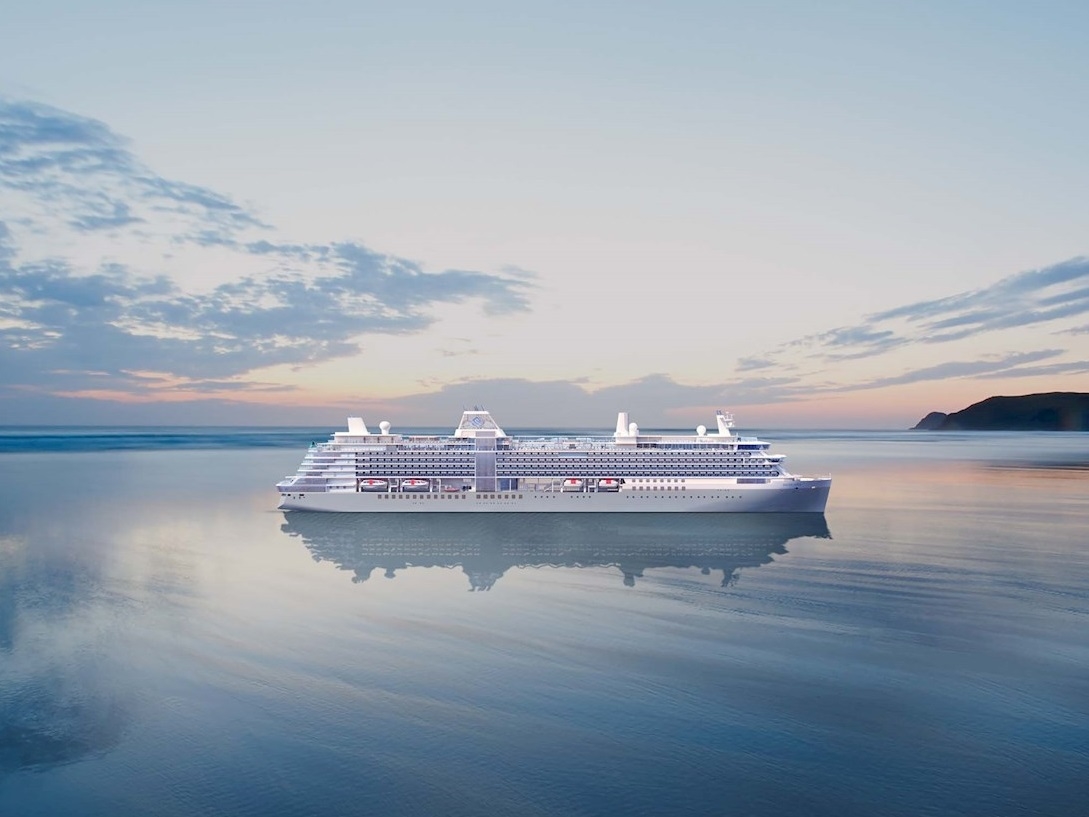
Silversea · Silver Nova
Overview
A 13-night voyage aboard Silver Nova, departing Fort Lauderdale on 21 Dec 2028 and returning to the same port, calling at 8 destinations along the way.
Fort LauderdaleSan Juan del SurGustavia, Saint BarthelemySt. KittsRoseauWillemstad, CuracaoOranjestad, ArubaFort Lauderdale
Cabin prices
Live prices per person based on two sharing. Select a grade to see its fare options.
Loading live cabin prices…
Itinerary
13 nights · 14 ports of call- 1
Day 1 ·Fort Lauderdale, FloridaEmbark
21 Dec 2028With its heady mix of Creole culture and French sophistication, there is more than a pinch of je ne sais quoi in Fort de France. The capital of Martinique, and by far the biggest city in the whole of the French West Indies, if you are looking for Paris in the Caribbean, you’ll find it in Fort de France.
The island has been under French govern since 1638 when the first governor of Martinique Jacques Dyel du Parquet commissioned a fort (from which the city takes its name) to keep out invaders. Not even an unsuccessful attack by the British in 1720, nor the French Revolution in 1789, has been able to shake the French govern of the island and today the city’s French and Creole heritage are impossible to untangle. The colonial past is everywhere, take a stroll down the narrow streets and enjoy the remarkable architecture of the Schœlcher Library, St. Louis Cathedral and the Old Town Hall. Among the many legacies Dyel du Parquet left on the island is sugarcane. A drive through the tropical forests will not only reward you with trees bending under the weight of papayas, mangoes and bananas, but will also afford superb vistas of the elegant plant swaying in the breeze. The arrival and subsequent export of sugar brought the French bourgeoisie in their droves and many of their mansions are still standing. Josephine de Beauharnais, the Napoleonic Empress of “not tonight” fame, hails from the island and those interested will find her childhood home, La Pagerie in nearby Trois Ilets. - 2
Day 2 ·At Sea
22 Dec 2028 - 3
Day 3 ·At Sea
23 Dec 2028 - 4
Day 4 ·San Juan Del Sur, Nicaragua
24 Dec 2028Located on the Pacific coast of Nicaragua, just half an hour from the Costa Rican border lies the pretty fishing village of San Juan del Sur. Considered by some as the “St. Tropez of Nicaragua”, the village certainly has some resemblances. A sleepy little port by day favoured by the local jet-set and curious traveller alike, San Juan del Sur enjoys a laid-back family orientated feel that is closer to southern France than southern America. By night however, San Juan del Sur transforms itself into the hottest of hot-spots. View less
Known principally for its excellent surfing and vibrant nightlife, the town’s charms transcend these more mainstream attributes and it remains an idyllic boutique resort, with bright, colourful houses and remote beaches, offering respite for a community of likeminded cultured travellers. The sunsets here are legendary, so enjoy a Mojito or a local Toña beer, put your feet up and relax. - 5
Day 5 ·Gustavia
25 Dec 2028Cherry red roofs, yacht-sprinkled bays and a sophisticated French flavour all add to the gorgeous Caribbean allure of Gustavia. The island's capital rolls around a horseshoe-shaped harbour, where gleaming yachts hover and fancy boutiques, bars and restaurants fizz with life and clinking cutlery. Head up to red and white Gustavia Lighthouse to look down over the revered waters, which attract many a celebrity guest and diving enthusiast to these shores. View less
Christopher Columbus was the first European to discover this volcanic island in 1493, giving it the name St Barthelemy in honour of his younger brother. The island has a unique history as a Swedish colony, following a deal with the French King Louis XVI to exchange the island with Sweden for better trading rights. It was returned to French control in 1878 and is now a French Overseas Collectivity. Learn more of the Swedish legacy at Fort Karl - which sits on a 29-metre-high hill above Shell Beach. The fort now lies in ruins, but you'll meet wandering iguanas, and the views down of sweeping sea and emerald coastline are some of the island's finest. Down below, a delightful spread of tiny pebbles and shell fragments are scattered like confetti and lapped by crystal-clear water. A little exploration uncovers countless other glorious beaches and natural wonders. Colombier Beach is a little out of the way but cradles silky-smooth sands and typically turquoise waters. If you have chance, find somewhere to settle and sip fruity rum cocktails as the sunset flares across the waves. - 6
Day 6 ·St. Kitts (Basseterre)
26 Dec 2028St. Kitts verdant volcanic slopes rise from crystal clear Caribbean waters, promising a land of escape, relaxation and rejuvenation. A place for ‘limin’ - the local word for kicking back, Caribbean style, you’ll be welcomed to an island paradise blessed with swarming reefs, hidden white-sand beaches, and irresistible shallow seas. Bigger sibling to nearby Nevis, St. Kitts is a place of unrestrained natural beauty. View less
Soak up the dreamy Caribbean bliss, or explore sprawling island rainforests, teeming with hummingbirds and the distant sounds of waterfalls, as you walk the island’s vine-tangled paths. A ride on Basseterre’s scenic sugar train is a rumbling, immersive journey through the heart of this Caribbean island of culture and vivid unspoiled scenery. Carriages that once transported crops of sugar cane to the city sweep around long curving bends, revealing a spectacular introduction to St. Kitts. The landscapes here are beautiful, and things are no less spectacular offshore, where glorious crystalline waters invite you to dive with turtles, and explore doomed wrecks like the River Taw ship – which has now exploded with marine life. In Basseterre itself, stop off to see the pea-green Berkeley Memorial clock, which stands in the Circus, surrounded by busy St. Kitts life. Independence Square is also waiting among the city’s charming Georgian buildings. Renamed from Pall Mall on the 19th of September 1983 - to celebrate the island’s independence - the pretty square gravitates around a colourful burbling fountain, and has a dark history, as a former slave market. Wary canons watch out over the waves far below at Brimstone Hill Fortress, a site of significant history, which dates back to 1690. Known as the ‘Gibraltar of the West Indies’ due to its importance at the heart of the British empire, St. Kitts was one of the first island in the West Indies to be colonised. Nowadays, its World Heritage Site fortress offers panoramic views along the coastline it was built to defend. - 7
Day 7 ·Roseau, Dominica
27 Dec 2028To fully appreciate the island's unspoiled beauty, a trip into the interior is a must. A good part of Dominica's mountainous terrain is covered with dense evergreen rain forest, where rare plants and animals are still found that have long been extinct on neighboring islands. The Smithsonian Institute called the island a giant plant laboratory, unchanged for 10,000 years. Numerous hot springs bear witness to continuing volcanic activity. Dominica is truly a place to discover nature in all her splendor. But it is not an island for those looking for white sand beaches. Around the mouth of rivers and in sheltered bays, the beaches are pebbly and of dark color. - 8
Day 8 ·At Sea
28 Dec 2028 - 9
Day 9 ·Willemstad, Curacao
29 Dec 2028Bright and brilliant colours coat the waterfront buildings of Willemstad, gleaming attractively below the generous Caribbean sun. The capital of the Carribean island Curacao, Willemstad is famous for its technicolour UNESCO World Heritage Site city centre, and a narrow channel connects the sea with the Schottegat harbour, which expands inland like a blooming flower. Settled by the Dutch in the 1630s, they brought colourful architecture, lavish red-roofed mansions, and gorgeous European-style waterfront buildings to this beautiful Caribbean island. View less
Watching over the entrance to this luxurious port is Rif Fort - a 19th-century fortress, which looms above the Sint Anna Bay channel. From here, wind your way to the Queen Emma Bridge - a pontoon bridge known as the Swinging Old Lady, which was built in 1888 to connect Otrobanda and Punda. Enjoy the wonderful views of Willemstad's lavish, pastel-coloured Punda waterfront set before you. Visit the small boats that pull up side by side to sell juicy fruits and vegetables, in a floating market on the waters below. At sunset, the gingerbread stretch bathes in lights, glowing evocatively as the last of the evening's light ebbs away. Wander Willemstad to discover the lemon-shaded Mikve Israel-Emanuel Synagogue, said to be the oldest synagogue in the Americas, see the historic liqueur distillery or head for Queen Wilhelmina Park - where the letters 'DUSHI' are spelt out in a standing sign. You'll hear this word a lot - the island's favourite way of describing the little things that make life worth living. The beaches of Curacao are certainly 'dushi', with tempting sandy curves on practically every corner. Snorkel in the turquoise waves, among dashing fish life and sleek sea turtles. - 10
Day 10 ·Oranjestad, Aruba
30 Dec 2028Aruba, the smallest of the so-called ABC Islands, lies a mere 15 miles north of Venezuela. Like its sister islands, Bonaire and Curaçao, Aruba has scant vegetation. Its landscape consists mainly of scruffy bits of foliage, including cacti and the curious wind-bent divi-divi trees, huge boulders and interesting caves. The chief attractions are the magnificent beaches, turquoise waters and spectacular marine life, which lure scores of visitors each year to the island. Palm Beach is said to be one of the ten best beaches in the world. Here a string of hotels with glitzy casinos, restaurants and exotic boutiques line several miles of white sand beach. The crystal-clear waters are ideal for swimming and all kinds of watersports. If you prefer to stay dry, you may enjoy Aruba's exotic underwater world on a submarine excursion.
Gold was discovered on the island in 1825, but by 1916 mining was no longer economical. In 1929 it was oil that brought prosperity to Aruba. A large refinery was built at the island's eastern end, employing at that time over 8,000 people. When the refinery was closed in 1985, Arubans were forced to look for other sources of income, concentrating their efforts on the development of tourism. Today, education, housing and health care are largely financed by an economy based on tourism. Recognizing this fact, the island's residents are sincere when they extend to visitors the greeting “Bonbini,” the native Papiamento word for “Welcome.” - 11
Day 11 ·Oranjestad, Aruba
31 Dec 2028Aruba, the smallest of the so-called ABC Islands, lies a mere 15 miles north of Venezuela. Like its sister islands, Bonaire and Curaçao, Aruba has scant vegetation. Its landscape consists mainly of scruffy bits of foliage, including cacti and the curious wind-bent divi-divi trees, huge boulders and interesting caves. The chief attractions are the magnificent beaches, turquoise waters and spectacular marine life, which lure scores of visitors each year to the island. Palm Beach is said to be one of the ten best beaches in the world. Here a string of hotels with glitzy casinos, restaurants and exotic boutiques line several miles of white sand beach. The crystal-clear waters are ideal for swimming and all kinds of watersports. If you prefer to stay dry, you may enjoy Aruba's exotic underwater world on a submarine excursion.
Gold was discovered on the island in 1825, but by 1916 mining was no longer economical. In 1929 it was oil that brought prosperity to Aruba. A large refinery was built at the island's eastern end, employing at that time over 8,000 people. When the refinery was closed in 1985, Arubans were forced to look for other sources of income, concentrating their efforts on the development of tourism. Today, education, housing and health care are largely financed by an economy based on tourism. Recognizing this fact, the island's residents are sincere when they extend to visitors the greeting “Bonbini,” the native Papiamento word for “Welcome.” - 12
Day 12 ·At Sea
1 Jan 2029 - 13
Day 13 ·At Sea
2 Jan 2029 - 14
Day 14 ·Fort Lauderdale, FloridaDisembark
3 Jan 2029With its heady mix of Creole culture and French sophistication, there is more than a pinch of je ne sais quoi in Fort de France. The capital of Martinique, and by far the biggest city in the whole of the French West Indies, if you are looking for Paris in the Caribbean, you’ll find it in Fort de France.
The island has been under French govern since 1638 when the first governor of Martinique Jacques Dyel du Parquet commissioned a fort (from which the city takes its name) to keep out invaders. Not even an unsuccessful attack by the British in 1720, nor the French Revolution in 1789, has been able to shake the French govern of the island and today the city’s French and Creole heritage are impossible to untangle. The colonial past is everywhere, take a stroll down the narrow streets and enjoy the remarkable architecture of the Schœlcher Library, St. Louis Cathedral and the Old Town Hall. Among the many legacies Dyel du Parquet left on the island is sugarcane. A drive through the tropical forests will not only reward you with trees bending under the weight of papayas, mangoes and bananas, but will also afford superb vistas of the elegant plant swaying in the breeze. The arrival and subsequent export of sugar brought the French bourgeoisie in their droves and many of their mansions are still standing. Josephine de Beauharnais, the Napoleonic Empress of “not tonight” fame, hails from the island and those interested will find her childhood home, La Pagerie in nearby Trois Ilets.
Your ship: Silver Nova
Explore Silver Nova's cabins, dining and onboard facilities.