
24 nightsFrom Athens (Piraeus), Greece22 ports of call
Greece, Croatia & Italy Featuring Dubrovnik
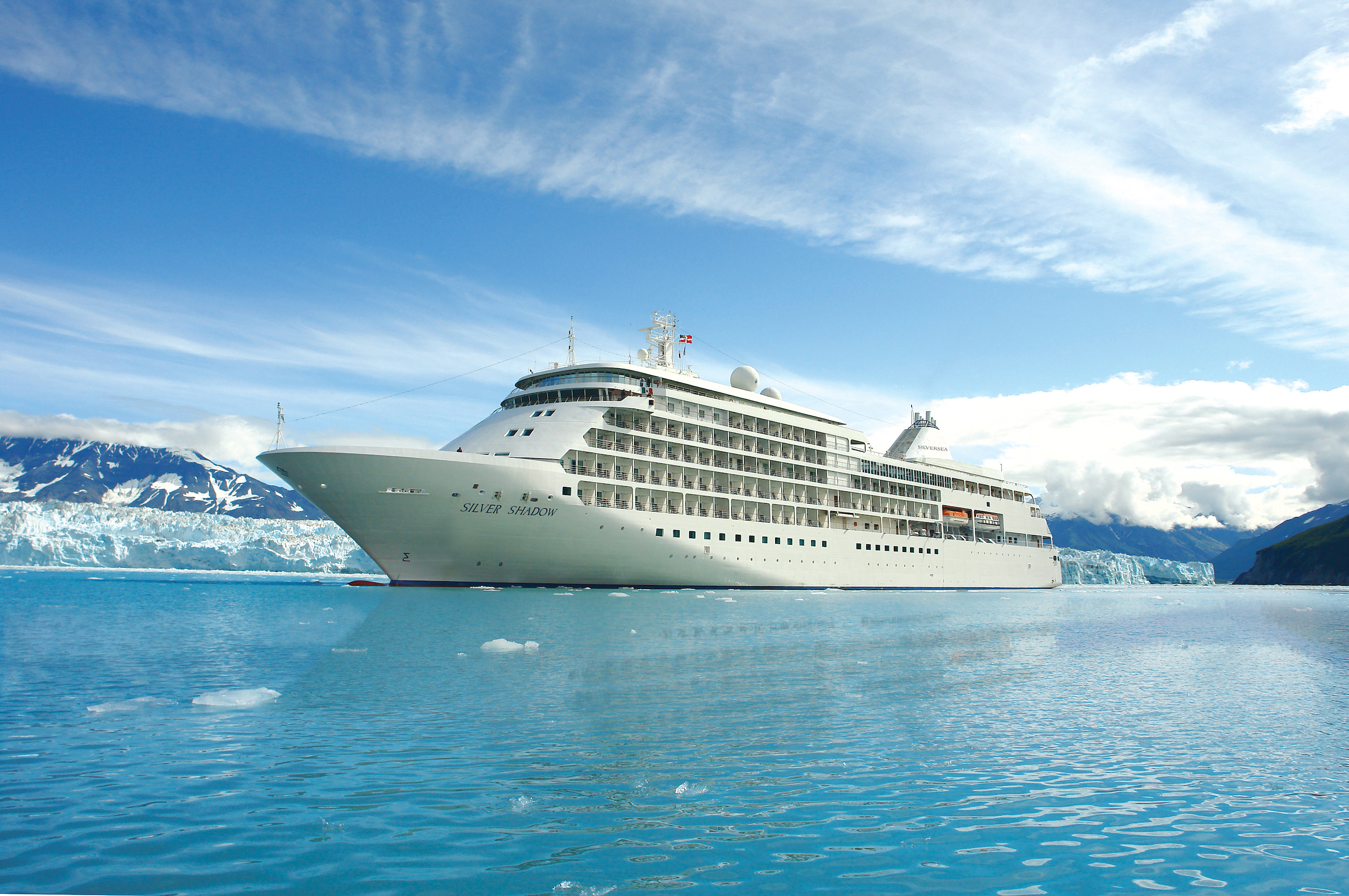
Silversea · Silver Shadow
Overview
A 24-night voyage aboard Silver Shadow, departing Athens (Piraeus), Greece on 27 Jul 2028 and arriving in Nice (Villefranche), calling at 22 destinations along the way.
Athens (Piraeus), GreeceSyrosParos, GreeceSantoriniAgios Nikolaos, GreeceOlympia (Katakolon), GreeceCorfuDubrovnikHvarRavenna, ItalyRovinj, CroatiaVenice (Fusina), ItalyPiranZadar, CroatiaSibenikHvarKotorOtrantoNaplesPorto Santo Stefano, ItalyPortofinoNice (Villefranche)
Cabin prices
Live prices per person based on two sharing. Select a grade to see its fare options.
Loading live cabin prices…
Itinerary
24 nights · 25 ports of call- 1
Day 1 ·Athens (Piraeus), GreeceEmbark
27 Jul 2028Depart 18:00A city of legend, civilisation and enduring culture, Athens is a majestic and magical urban sprawl. Extraordinary elegance and grace combine with grit and graft in Greece's capital, where highways encase ruins from antiquity, and gleaming museums and galleries stand beside concrete sprayed with edgy street art. These contrasts enhance and elevate the wonders of this 2,500-year-old city, however, which can count notable contributions to philosophy, drama and democracy, among its global legacy. Piraeus' giant port and naval base welcome you to the edge of the Athens' urban area.
From there it's a simple jaunt to the centre. The majestic ancient citadel of the Acropolis dominates an elevated platform and is a constant presence as you explore the city. The wonderful remains of the columned temple of the Parthenon - which date back to the 5th century BC - stand here, representing the pinnacle of classical architecture. The nearby Acropolis Museum adds context to your visit and frames the broad views from its giant glass windows. Or rise up Mount Lycabettus, to be rewarded with perhaps Athens' best panorama of the Acropolis sitting high over the city on its grand stage. See the marble horseshoe of the Old Olympic Stadium, where the first modern Olympics were held in 1896, for more of the city's enduring legacy. Elsewhere, golden beaches and temples stretch out along the coastline, should you wish to explore a little further afield. Coffee is an art form to the Greeks, and it's an unwritten rule that coffee time must never be rushed. So prepare to settle down for a couple of hours and lose yourself in a good chat. Feeling hungry - try traditional souvlaki made with sauces handed from generation to generation. - 2
Day 2 ·Syros, Greece
28 Jul 2028Arrive 08:00Depart 19:00 - 3
Day 3 ·Paros
29 Jul 2028Arrive 08:00Depart 19:00As one of the lesser known islands in the Aegean Sea, Paros enjoys its reputation as being the underdog of the Cyclades. Often overshadowed by Mykonos to the north, or Santorini to the south, the savvy traveller knows this island paints one of the finest pictures of Greece that you’re ever likely to find. Arrival in Paros is postcard perfect and exactly as you imagine it. Cafes and tavernas line the pretty port, bougainvillea covers narrow streets, brightly painted fishing boats bob gently in the harbour. View less
If you arrive early enough, you’ll find the catches of the day being sold for pennies. All the touch points are there: evocative blue shuttered, white-washed houses, windmills and domed churches on the horizon, arid hillside above an azure bay that homes promise of fresh figs, olives and the seductive lullaby of cicadas. This image might seem clichéd but in Paros, it’s reality. If strolling the cobbled streets that snake into the village does not sustain your love of Greek history, then head for the Archaeological Museum in the centre of town. Paros has been inhabited since 3200 BC and has a past of maritime battles, followed by economic development and cultural flourishing. The island was well known for its fabulous marble, a fine example of which is the lovely Town Hall in Lefkes village (notably Venus de Milo was also crafted from Parian marble). Literary lovers will also know that Paros was the birthplace of Greek lyrical poet Archilochus, statues of whom can be found all over the island. - 4
Day 4 ·Santorini, Greece
30 Jul 2028Arrive 08:00Depart 21:30Of all the Cyclades Islands, Santorini is often considered the most dramatic. Once an active volcano, in approximately 1620 BC, the volcano erupted with such force that the center of the island literally exploded, leaving a submerged crater. The island's small villages were preserved in the ashes giving a fascinating view of everyday life from 3,600 years ago.
Santorini's landscape offsets its simple buildings, which shine in the brilliant sunlight. The rich volcanic soil is ideal for grapes and the local vines produce a crop known for its "special volcanic taste." - 5
Day 5 ·Aghios Nikolaos, Crete
31 Jul 2028Arrive 08:00Depart 19:00 - 6
Day 6 ·At Sea
1 Aug 2028 - 7
Day 7 ·Katakolon (Olympia), Greece
2 Aug 2028Arrive 08:00Depart 18:00The tiny port of Katakolon serves primarily as the starting point for an excursion to the archaeological site of ancient Olympia. Adjacent to the port is the small village of Katakolon with a few souvenir shops and typical local restaurants. Ancient Olympia, the great Panhellenic sanctuary, is located 21 miles from the port.
The site of ancient Olympia spreads out at the foot of wooded Mount Kronos. Excavations began in 1875; they are considered one of archaeology's great achievements. A direct consequence was the revival of the Olympic Games by Baron Pierre de Coubertin.
Today's visitors walk among the ruins and reflect on their significance. Don't miss the site where the Olympic flame is lit even today for the modern games. - 8
Day 8 ·Corfu, Greece
3 Aug 2028Arrive 08:00Depart 17:00This sickle-shaped island of Mediterranean bliss flaunts its sun-kissed sophistication with effortless grace - having cherry-picked the best influences from Venetian, French and British occupiers. With over 3,000 years of history, The Grand Lady of the Ionian has played a starring role in Greek history and mythology, and legendary tales swirl around you, as you explore sparkling beaches, mountains splashed with wildflowers, and historical, perched fortresses.
The soft hues of Corfu’s UNESCO World Heritage List Old Town brings together Corfu’s mesh of European influences, with its romantic stone floors and vine-clad cafes. Find somewhere to settle in for a morning coffee ritual like a true Corfiat, and sip at the laid-back pace of the locals - allowing the thick bitter concoction to settle before indulging. The oddly out-of-place sound of leather on willow can be heard in Spianada Square – the largest city square in the Balkan region - where a manicured cricket pitch spreads out incongruously below the Mediterranean sun. Take the hike up to the 13th-century Paleokastritsa Monastery, where you’ll be escorted by the resident goats, and have to step over cats contentedly rolling around your feet on arrival. This beautiful, daffodil-yellow building is splashed with a fresco of vivid purple fuchsias, and a crowning triad of bells. Inside, explore gold-framed frescoes, and watch as monks squeeze oil from the monastery’s trees’ bounty. Wander out among the groves to views of Corfu’s never-ending sea reaching out to the horison below you. Corfu’s sweeping sand beaches and hidden coves display the full spectrum of vivid Mediterranean seaside colours – which shift from turquoise greens to cobalt blues. The famous Canal d’Amour is a gorgeous inlet, and island legend says couples who swim together in this narrow channel of water stay together forever. Enjoy an afternoon sit-down and drink of ginger tea, or something a little stronger in the form of Corfu’s famous, radiant orange, kumquat liqueur. - 9
Day 9 ·Dubrovnik, Croatia
4 Aug 2028Arrive 08:00Depart 22:00Croatia’s crowning glory rears up vertically from the tranquil waters of the Adriatic, and Dubrovnik’s daunting fortresses town is a truly imposing sight to behold. Encircled by chunky stone walls so thick and dramatic they could have been purpose-built as a film set, this city’s unmatched old town is the setting for countless films and shows - from Star Wars to Robin Hood, Game of Thrones and every production in-between seeking a truly authentic medieval flavour.
This fantasy fortress’s walls - which are no less than 12-metres thick at places - are certainly not just for show, however. They kept Dubrovnik safe when it was a maritime republic and they were besieged as recently as 1991, when Serbian and Montenegrin forces attacked, as Yugoslavia broke apart. Fully restored now, the stone streets of the city take you through a beautiful mosaic of architectural splendour, baroque churches and splashing fountains. Tapering alleys rocket up from the central boulevard of Stradun, offering spectacular views down, but you’ll need to walk the city walls to appreciate the fortress city’s full scale. Banking up sharply to the rear, you can gaze across an ocean of terracotta roofs and church spires, clamouring together before the sparkling Adriatic. Visit the neighbouring fort of Lovrijenac, for another perspective, or swing up to Srd fortress’s glorious panorama on a cable car. Dubrovnik’s streets are crammed with eateries and candlelit tables, where couples splash wine into glasses and enjoy gnocchi mixed with creamy truffle sauces. Nearby beaches like Banje are also close by, and hidden bays reward the intrepid who venture out beyond the old town. Take sunset drinks to sit back and watch as flotillas of sea kayaks roll by, or sail on the pristine waters to explore island gems like Lokrum - where peacocks are the only permanent residents. - 10
Day 10 ·Hvar, Croatia
5 Aug 2028Arrive 08:00Depart 17:00One of the most popular of the island escapes sprinkled across the turquoise Adriatic, Hvar is a glorious idyll of hidden coves, electric blue waters and quietly contented port towns. In recent years, it’s gathered something of a reputation as a party island - mainly earned from Hvar Town’s nocturnal exuberances, and the transient day-tripping yachts that drop by. View less
Soak up the energy, exuberance and fine dining, or sidestep the hedonism to explore a richly refined, rural and historic island – utterly spoiled with sunshine, and hidden beaches, which dazzle with colourful intensity. Bike rides along long sweeping coastal paths, boat journeys from pretty harbours, walks through fields of purple lavender - it’s all waiting for you on heavenly Hvar. Relish the sunshine and explore deserted, idyllic inlets, before sharing strong espressos in quiet harbour towns, surrounded by welcoming, sun-wrinkled locals. There’s also rich Medieval history – the sleepy town of Stari Grad is said to be Croatia’s oldest, dating back to 384 BC. Elsewhere, Jelsa is a postcard perfect place – settle in for a bite to eat, with nothing but the sound of harbour waters lapping and sandpaper scraping boats hulls for company. You can walk to look out over glorious views across to Brac, sometimes watching on as thunderstorms rage and flash, an eternity away over the mainland’s crumpled mountains. You’re also just a short ferry ride from the incredible Golden Horn - an evocative spike of brilliant sand which juts out evocatively into the cobalt-blue sea. - 11
Day 11 ·Ravenna, Italy
6 Aug 2028Arrive 08:00Depart 18:00Ravenna is a city in Emilia-Romagna, Italy. It's known for the colorful mosaics adorning many of its central buildings, like the octagonal Basilica di San Vitale, the 6th-century Basilica di Sant'Apollinare Nuovo and the cross-shaped Mausoleo di Galla Placidia. North of the center, the Mausoleo di Teodorico built in the 6th century for King Theodoric the Great, is a Gothic, circular stone tomb with a monolithic dome - 12
Day 12 ·Rovinj, Croatia
7 Aug 2028Arrive 08:00Depart 19:00The first documented mention of Rovinj was in the 5th century. However, it is very likely that Rovinj is much older, emerging somewhere at the turn of the 3rd and the 4th centuries. During this period, Istria was occupied by the Romans who stayed there until 476. Later came the Ostrogoths, Franks and the Venetians. During the Venetian times, Rovinj was developing into a strong fishing, shipbuilding and maritime center, especially in the 17th and 18th century when they had the precedence over Istria. At the time that the town walls were secured, the town started to expand to the mainland and in 1763 the channel between the mainland and the island was covered up and Rovinj became a peninsula.
In 1797 the Venetian republic lost its power and for a short time and Istria fell under Austrian and then under Napoleon's rule.
In 1813, Rovinj became part of the Austor-Hungarian Empire and a period of industrial and urban development started.
Rovinj fell to fascist Italy until the end of World War II and in the second half of the 20th century was a part of Yugoslavia, as was all of Croatia, until 1991.
In the past 40 years Rovinj has developed from a fishing village into a real tourist center thanks to its picturesque surroundings, its pleasant Mediterranean climate and its cultural-historical values. - 13
Day 13 ·Fusina (Venice)
8 Aug 2028Arrive 07:00Losing none of its allure over the years, this floating city of canals, bridges and masks is a place of eternal beauty and enduring elegance. The lagoon of more than 100 islands is a heavenly sight, transporting visitors on a journey through time - from its Roman inception, through centuries of trade to the modern face we see today. Navigate Venice’s sparkling waterways by romantic gondola, or on cruises along wide canal boulevards. Span the Grand Canal over its iconic original crossing, the Rialto Bridge, which - with its parade of tiny shops - gives some of the city’s most endearing views. If the crowds unsettle you at any point, take two turns away from the main thoroughfares to find peace alone, amid the city's labyrinth of tiny streets. Hurry to Piazza San Marco to be immersed in Venice’s elegant glory. Basilica San Marco transports you back to the wealthy days of the Doges, who ruled for over 1,000 years. Initially their private chapel, it’s now decorated with beautiful Byzantine mosaics. Nearby the Campanile di San Marco bell tower offers views over the higgledy-piggledy rooftops of times gone by. Just a hop skip and a jump around the corner is the Doge’s Palace, where the levels of opulence ramp up even further. Justice was meted out in this stunning Palace, with the guilty walking to the cells across the covered Bridge of Sighs. Vaporetto trips to local islands offer even more adventures to float your boat, whether it’s Murano with its world-famous glass, Torcello with its amazing Cathedrals, or Burano with its handmade lace and delightfully colourful painted houses. - 14
Day 14 ·Piran
9 Aug 2028Arrive 08:00Depart 19:00The last decades of Venetian rule were marked by decadence, due to the competition with the nearby Austrian port town of Trieste. - 15
Day 15 ·Zadar, Croatia
10 Aug 2028Arrive 08:00Depart 19:00Croatia’s Capital of Cool, Zadar is a dazzling mesh of influences and creativity. Romans founded the city before the Venetians, Austrians, French and Italians all had their say, leaving a wealth of architectural interest. Glorious turquoise-water beaches and heavenly waterfalls also lie within easy reach of this energetic city of festivals and outdoor fun. See the old town, with its robust city walls, boasting decorative stone gateways and marble streets. View less
The church of St Donatus, was built from stones pillaged from the Roman forum, while Zadar Cathedral - Dalmatia's biggest - stands among the many architectural treats of this city, which was once an impenetrable stronghold of Venice’s republic. Head for the ‘pillar of shame’ with its chains to humiliate the criminals of a bygone time - or succumb to the tempting treats of shopping in the market. The sparkling Adriatic’s waters calls you, and Kolovare Beach is a mere ten-minute stroll from the old town. A day trip to Kornat National Park - which incorporates the Zadar Archipelago's immaculate scattering of beach-fringed islands - or to the divine waterfalls of Plitvice Lakes National Park, will introduce you to more of Croatia’s thrilling natural beauty. The sea truly does sing here in Zadar, thanks to a unique waterfront artwork, which encapsulates the city’s playful spirit. Designed to make music when the waves wash over it, the ebb and flow of the Adriatic, plays the Sea Organ instrument like a maestro. Not far away, the Monument to the Sun is a 22-metre-wide disc, which gathers the sun’s rays during the sunny days, and releases the solar energy in the form of a magical light show after dark. Sit and admire the artwork coming to life, as one of the city’s famous sunsets plays out before you. - 16
Day 16 ·Sibenik
11 Aug 2028Arrive 08:00Depart 19:00Sibenik is a port in south-west Croatia, on the Adriatic Sea. Among the city's notable buildings are a Roman Catholic cathedral (begun early 15th century) and a 12th-century fort. Nearby is the Krka National Park with its cascading waterfalls, green pools and swimming holes. - 17
Day 17 ·Hvar, Croatia
12 Aug 2028Arrive 08:00Depart 18:00One of the most popular of the island escapes sprinkled across the turquoise Adriatic, Hvar is a glorious idyll of hidden coves, electric blue waters and quietly contented port towns. In recent years, it’s gathered something of a reputation as a party island - mainly earned from Hvar Town’s nocturnal exuberances, and the transient day-tripping yachts that drop by. View less
Soak up the energy, exuberance and fine dining, or sidestep the hedonism to explore a richly refined, rural and historic island – utterly spoiled with sunshine, and hidden beaches, which dazzle with colourful intensity. Bike rides along long sweeping coastal paths, boat journeys from pretty harbours, walks through fields of purple lavender - it’s all waiting for you on heavenly Hvar. Relish the sunshine and explore deserted, idyllic inlets, before sharing strong espressos in quiet harbour towns, surrounded by welcoming, sun-wrinkled locals. There’s also rich Medieval history – the sleepy town of Stari Grad is said to be Croatia’s oldest, dating back to 384 BC. Elsewhere, Jelsa is a postcard perfect place – settle in for a bite to eat, with nothing but the sound of harbour waters lapping and sandpaper scraping boats hulls for company. You can walk to look out over glorious views across to Brac, sometimes watching on as thunderstorms rage and flash, an eternity away over the mainland’s crumpled mountains. You’re also just a short ferry ride from the incredible Golden Horn - an evocative spike of brilliant sand which juts out evocatively into the cobalt-blue sea. - 18
Day 18 ·Kotor, Montenegro
13 Aug 2028Arrive 08:00Depart 18:00Embedded into the slopes of the steep Lovćen mountain, and overlooking the deep blue Adriatic, the fortified town of Kotor boasts a spectacular, imposing staging that few can match. Squeezing in through the tight Bay of Kotor is a daunting and impressive approach in itself, as you arrive via the waterway of Europe’s most southerly fjord. A pearl of Montenegro and the Adriatic, Kotor's warren-like streets drip with history and authenticity. View less
Under Venetian influence for four centuries, the city's UNESCO World Heritage Site old town invites you to wander amid atmospheric stone-clad streets, overlooked by a sea of terracotta roofs and the double towers of the cathedral. Protected by thick stone walls - and the mountains behind - Kotor draws comparisons with another fortified Adriatic wonder in Dubrovnik. Many favour Kotor for its compact layout, smaller crowds, and authenticity, however - having been spared from shelling during Yugoslavia's breakup. The tightknit streets here are patrolled by a slinking population of feline residents, who were adopted as the town’s mascots, after being left behind by transient trader ships. Learn of the city's extensive heritage on the waves, in the dedicated maritime museum that is contained within Grgurina Palace. Pick your way through tight alleys of workshops and studios, walking below fresh laundry strung from windows, before settling into shiny, paved piazzas for an afternoon coffee or seafood meal. If you’re up for an aerobic challenge, tackle the 1,350 steps up the steep walls to St John's fortress. The views over the gorgeous bay make the arduous slog worth it, as you rise past the city's eye-catching 15th-century church bell tower. - 19
Day 19 ·Monopoli
14 Aug 2028Arrive 08:00Depart 19:00Located in the heel of Italy’s boot, Monopoli is a Puglia port town that knows how to make a splash. In fact, the words Monos and Polis mean singularly unique – and Monopoli’s special blend of part historical, part functional is most definitely that. View less
The city might lack some of the more aesthetic elements of its neighbours, but that only means good things for those who do discover it: far from the tourist route you’ll be greeted with medieval churches and castles, white stone buildings (contrasting perfectly with the azure of the sea and sky) and authenticity in buckets. Founded by the Greeks in 500 BC, then taken over by the Romans (and beset by various invaders), Monopoli was – and still is – a thriving port town. It’s position in Puglia between the seas made it strategic, while its placement on the Via Traiana (which led all the way to Rome) made it prosperous. The city came under Venetian control in 1484 and much of Monopoli’s architecture can be attributed to this period. The charming Old Town is dominated by Castello Carlo V, built in 1552, while the still solid Baroque-Romanesque cathedral, built in 1693, is considered as positively modern. Like most of Italy, the food here is as important as religion. As a port town, fish and seafood are deliciously fresh. Do not miss tasting “scapece” (small fish covered in flour, deep-fried, put in layers with breadcrumbs and saffron, then soaked with vinegar) for a tasty treat that you will find nowhere else in the country. - 20
Day 20 ·Otranto
15 Aug 2028Arrive 08:00Depart 19:00Otranto is a coastal town in southern Italy’s Apulia region. It’s home to the 15th-century Aragonese Castle and 11th-century Otranto Cathedral, with a rose window and ornate mosaic flooring. At the harbor, Torre Matta tower has sweeping sea views. Nearby beaches include the popular Alimini Beach. Inland are 2 lakes: the saltwater Alimini Grande and spring-fed Alimini Piccolo. South is the Punta Palascìa lighthouse. - 21
Day 21 ·At Sea
16 Aug 2028 - 22
Day 22 ·Naples, Italy
17 Aug 2028Arrive 07:00Depart 17:00The region of Campania was home to Greeks settlers some 300 years before Rome was founded. Pompeii, too, was a Greek town before being conquered by the Romans during the 5th century BC. It was under the Romans that Pompeii flourished and grew prosperous. When Mount Vesuvius erupted in 79 AD, the population of 20,000 was wiped out, but dozens of buildings were preserved under layers of cinder more than 20 feet deep. The most important finds from Pompeii are displayed in Naples' National Archaeological Museum. A visit here will no doubt enhance a visit to ancient Pompeii. - 23
Day 23 ·Porto Santo Stefano
18 Aug 2028Arrive 09:00Depart 19:00A summer escape for Rome’s historic elite, the stacked waterfront of Porto Santo Stefano is a secluded taste of idyllic southern Tuscany. Physically closer to Rome than Florence, the city is strung to Italy’s western coast by two sandy harnesses, and sits on the unqiue peninsula of Monte Argentario - which was once an island. Flamboyant pink flamingos and herons stroll through the encased lagoon, while Porto Santo Stefano’s waterfront hums with clinking cafes and strolling visitors. View less
The luxury yachts in the harbour show that Porto Santo Stefano has lost none of its luxury appeals, and with beaches, wild hikes and waterfront beauty, it continues to lure visitors to this secluded escape. Known for its fishing and cuisine - which is based around heavy use of the Tyrrhenian Sea’s juicy bounty. Stroll to Piazza dei Rioni for a dripping lemon gelato, or wander the streets noticing the lingering World War II damage – the city was heavily bombed during the conflict. Fortunately, the historic, star-shaped, Spanish fort was spared, and it still watches out resolutely over the waters. Built during the Napoleonic Wars, it fortified the exposed town against pirate raids, and offers beautiful views over the old town's terracotta roofs. Rugged coastline falls to secluded beaches, with a wilder, unkempt charm. Sail the coves - seeing cascading olive groves - or island-hop to Giglio and Giannuti, which lie 12 miles from shore, and can be seen from the monastery topped Argentario mountain. On the other side of the promontory, you’ll find Porto Ercole - where the lifeless body of the Old Master, Caravaggio, was discovered. - 24
Day 24 ·Portofino, Italy
19 Aug 2028Arrive 08:00Depart 19:00Bronzed and beautiful visitors enjoy the unique ambiance, chic boutiques and quaint cafés that overlook the small yacht harbor and line the narrow, cobbled streets. Others explore along the coastline, where tiny villages are tucked away in hidden coves.
Don't miss out on practically everyone's favorite pastime - people-watching while sitting in one of the outdoor cafés, sipping a campari or enjoying a cappuccino. The boutiques and designer shops are only a stone's throw away, tempting prospective buyers with chic resort wear and Italian designer clothing (be aware that not all shops may be open on Sunday). - 25
Day 25 ·NiceDisembark
20 Aug 2028Arrive 07:00Nice, often called the Queen of the Riviera, is a delightful city that is fashionable yet relaxed and fun. Sprawling over an extensive area, Nice comprises a wonderful blend of old and new. The old town is one of the delights of the Riviera. Narrow streets and winding alleys are lined with faded 17th- and 18th-century buildings, where families sell crafts and produce. The Italian façades of modern Nice and the exuberant, early 20th-century residences, which made the city one of Europe's fashionable winter retreats, remain intact. Although not blessed with the best beaches, its pebbled sands continue to attract scores of visitors every year.
Adding to the city's attractions are relics of its ancient past. Greek seafarers founded Nice around 350 BC. The Romans took control 196 years later, settling farther uphill in the area that is now Cimiez. By the 10th century, Nice was ruled by the Counts of Provence and in the 14th century fell to the House of Savoy. Although the French occupied Nice for short periods during the 18th and 19th centuries, the city did not become a definitive part of France until 1860 when Napoleon III made a deal with the House of Savoy. Nice grew in popularity during the Victorian period when the English aristocracy favored it as a winter retreat because of the mild climate.
Backed by scenic mountains, the city is generally divided into the Old Town and modern Nice. The look of the old town has changed little since the 1700s. Its colorful flower market should not be missed. The celebrated, palm-lined Promenade des Anglais follows the gently curved beachfront for about three miles and visitors as well as residents enjoy strolling along its path. Everything costs more along this famed strip; expensive shops, restaurants and art galleries blend with more modest establishments. The showpiece of the Promenade des Anglais is the palatial Hotel Negresco.
North of the Old Town, the stately Place Massena is the main hub of Nice. The square is surrounded by neo-classical, arcaded buildings painted in shades of ochre and red. The central part of the city contains fine restaurants and hotels and is particularly known for its pedestrian zone with many boutiques of well-known designers. North of the city center is the posh suburb of Cimiez, where several museums are located.
Your ship: Silver Shadow
Explore Silver Shadow's cabins, dining and onboard facilities.