
24 nightsFrom Nice (Villefranche)19 ports of call
Italy, Greece & Turkey Featuring Istanbul
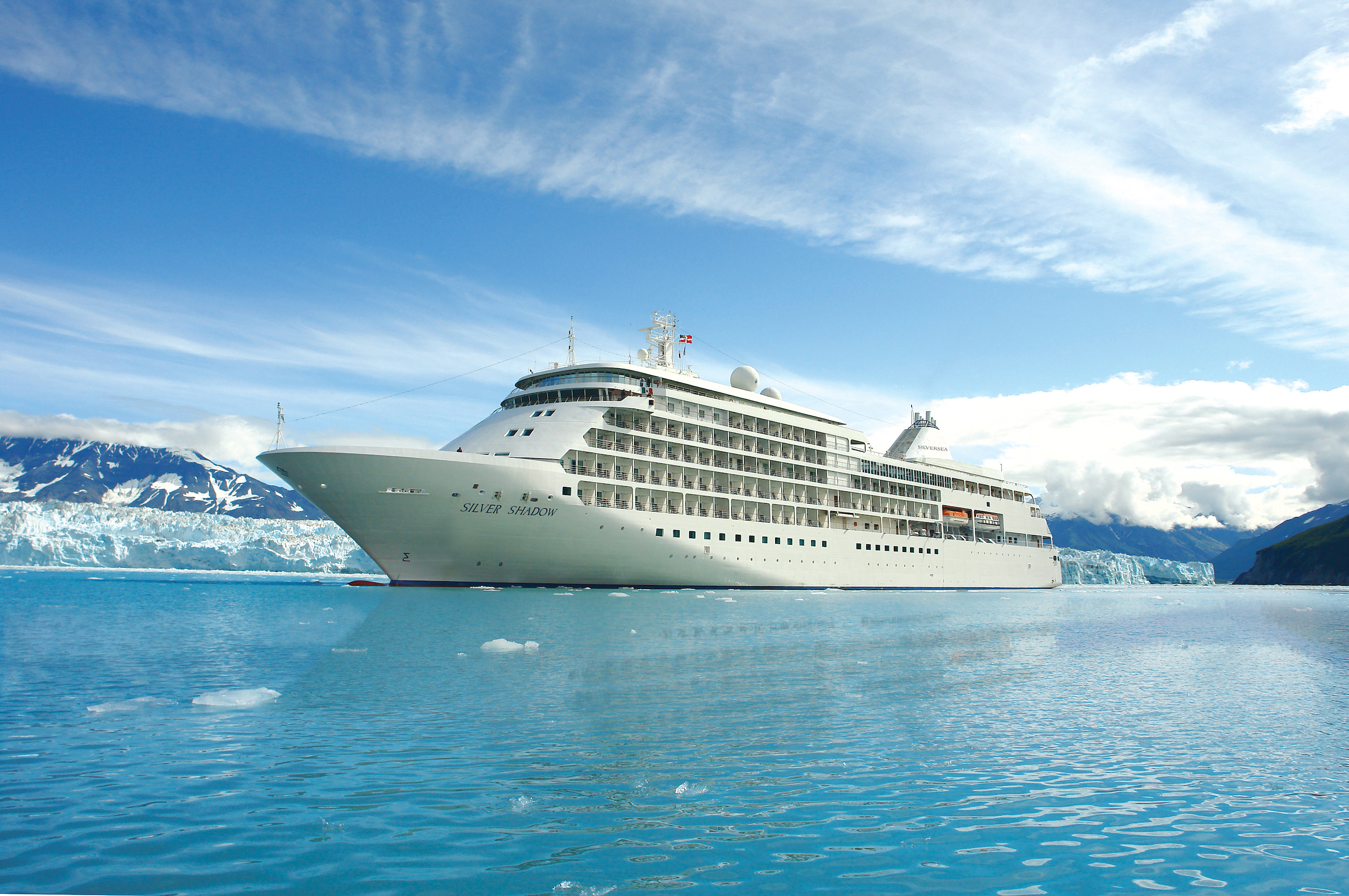
Silversea · Silver Shadow
Overview
A 24-night voyage aboard Silver Shadow, departing Nice (Villefranche) on 16 May 2028 and arriving in Athens (Piraeus), Greece, calling at 19 destinations along the way.
Nice (Villefranche)LivornoBastia, CorsicaNaplesLipariGiardini Naxos, SicilyGallipoliOlympia (Katakolon), GreeceNafplionAthens (Piraeus), GreeceNafplionMilos, GreeceVolosSkiathos, GreeceThessalonikiIstanbulKusadasiMykonosAthens (Piraeus), Greece
Cabin prices
Live prices per person based on two sharing. Select a grade to see its fare options.
Loading live cabin prices…
Itinerary
24 nights · 25 ports of call- 1
Day 1 ·NiceEmbark
16 May 2028Depart 19:00Nice, often called the Queen of the Riviera, is a delightful city that is fashionable yet relaxed and fun. Sprawling over an extensive area, Nice comprises a wonderful blend of old and new. The old town is one of the delights of the Riviera. Narrow streets and winding alleys are lined with faded 17th- and 18th-century buildings, where families sell crafts and produce. The Italian façades of modern Nice and the exuberant, early 20th-century residences, which made the city one of Europe's fashionable winter retreats, remain intact. Although not blessed with the best beaches, its pebbled sands continue to attract scores of visitors every year.
Adding to the city's attractions are relics of its ancient past. Greek seafarers founded Nice around 350 BC. The Romans took control 196 years later, settling farther uphill in the area that is now Cimiez. By the 10th century, Nice was ruled by the Counts of Provence and in the 14th century fell to the House of Savoy. Although the French occupied Nice for short periods during the 18th and 19th centuries, the city did not become a definitive part of France until 1860 when Napoleon III made a deal with the House of Savoy. Nice grew in popularity during the Victorian period when the English aristocracy favored it as a winter retreat because of the mild climate.
Backed by scenic mountains, the city is generally divided into the Old Town and modern Nice. The look of the old town has changed little since the 1700s. Its colorful flower market should not be missed. The celebrated, palm-lined Promenade des Anglais follows the gently curved beachfront for about three miles and visitors as well as residents enjoy strolling along its path. Everything costs more along this famed strip; expensive shops, restaurants and art galleries blend with more modest establishments. The showpiece of the Promenade des Anglais is the palatial Hotel Negresco.
North of the Old Town, the stately Place Massena is the main hub of Nice. The square is surrounded by neo-classical, arcaded buildings painted in shades of ochre and red. The central part of the city contains fine restaurants and hotels and is particularly known for its pedestrian zone with many boutiques of well-known designers. North of the city center is the posh suburb of Cimiez, where several museums are located. - 2
Day 2 ·Imperia, Italy
17 May 2028Arrive 08:00Depart 19:00 - 3
Day 3 ·Livorno (Tuscany)
18 May 2028Arrive 08:00Depart 19:00There are few more elegant places to salute the sunset than Terrazza Mascagni, Livorno’s refined chessboard piazza. A historic port, and a beachy gateway to Tuscany, Livorno welcomes you ashore to explore this enchanted Italian region's sun-soaked beauty, rich flavours and world-renowned fine art. Stay in Livorno to explore 'Piccolo Venezia', or ‘Little Venice’ - a quarter of the town that's laced with canals, little marble bridges and plenty of tempting eateries. View less
With its bustling market, fortresses and iconic waterfront, there’s plenty to keep you busy here, but most will be tempted to venture inland to explore more of Tuscany’s many charms and artistic wonders. Test your nose, as you breathe in the subtleties of Tuscany’s vineyard-draped scenery, and visit wineries showcasing the best of the renowned flavours of the Bolgheri wine-growing area. Or head out to Prato, where you’ll find tightly-woven textile history. Pisa’s showpiece tower is within reach, as is Florence’s city of immense and imaginative renaissance beauty. Admire the delicate carving of Michelangelo's masterpiece, the David statue, and note the provocative stance as he casts a dismissive glance towards Rome. Stand before the city’s majestic black and white cathedral - the Cathedral of Santa Maria del Fiore - with its colossal brick dome. The view down over Florence's river and grand dome from Piazzale Michelangelo, meanwhile, is one of Italy's finest. However you choose to spend your time in Tuscany, you’ll discover an artistic region, filled with beauty designed to appeal to every sense. - 4
Day 4 ·Bastia, Corsica
19 May 2028Arrive 08:00Depart 19:00Corsica's northern capital, Bastia, is the center of commerce and industry and a thriving freight and passenger port. Commerce, more than tourism, is its main focus, providing employment for many Corsicans. Bastia's industrial sprawl is offset by its aged charm. The presence of an overwhelming Italian character adds to the city's attraction. - 5
Day 5 ·At Sea
20 May 2028 - 6
Day 6 ·Naples, Italy
21 May 2028Arrive 08:00Depart 18:00The region of Campania was home to Greeks settlers some 300 years before Rome was founded. Pompeii, too, was a Greek town before being conquered by the Romans during the 5th century BC. It was under the Romans that Pompeii flourished and grew prosperous. When Mount Vesuvius erupted in 79 AD, the population of 20,000 was wiped out, but dozens of buildings were preserved under layers of cinder more than 20 feet deep. The most important finds from Pompeii are displayed in Naples' National Archaeological Museum. A visit here will no doubt enhance a visit to ancient Pompeii. - 7
Day 7 ·Lipari Island
22 May 2028Arrive 08:00Depart 18:00In modern times, the arrival of hydrofoil service established convenient and speedy transportation between the islands and Sicily. Today, the Eolians experience an ever-increasing amount of tourism due to their unusual scenery and mild climate. The variety and beauty of rock formations, the volcanic phenomenon of Stromboli and Vulcano, as well as the crystalline waters never fail to impress visitors. Local-style architecture adds charm to the picturesque villages. - 8
Day 8 ·Giardini Naxos (Sicily)
23 May 2028Arrive 08:00Depart 18:00Hugging a long, sweeping bay, Giardini Naxos welcomes you ashore to some of Sicily’s most scenic and historic sites. Naxos was the first Greek settlement on Sicily, and it is surrounded by remarkable remains and swirling mythology. With a long arc of sun-soaked golden sand, you can kick back by the waves - and cool off with a dip into the sea's refreshing embrace. Up above the seaside revelry, the spectacular Taormina hillside town perches - containing rich Roman and Greek history. View less
Visit to encounter one of Sicily’s best views, as you look down over the rejuvenating blue of the sea, and the looming backdrop of Mount Etna rising in the distance. The majestic, honey-coloured Greek theatre is a highlight, standing before the distant loom of the volcano. Head towards the puffs of cloud, and wisps of smoke, that gather around the peak of Sicily’s mighty volcano, which is among the most active in Europe. Arrive through vineyards, thriving in this fertile soil, before taking the 1,737-metre incline to the summit of the legendary mountain of fire, across fields of solidified lava flows. Known to the Greeks as the home of the God of Fire, and the one-eyed Cyclops, the mountain continues to amaze and awe with its restless power. Vineyards carpet the scenery - interrupted by occasional cactai and citrus groves – and produce some of Sicily’s most refined flavors. Enjoy a glass of wine on Giardini Naxos’ seafront, and toast your time on these rich Sicilian shores. - 9
Day 9 ·Gallipoli, Italy
24 May 2028Arrive 09:00Depart 19:00Kalè polis, meaning beautiful city, is the name ancient Greek mariners bestowed on Gallipoli, with good reason. Situated on a mound, the Old Town with its labyrinth of winding lanes, emerges from the Ionian Sea. It is connected to the mainland and modern Gallipoli via a 17th-century bridge. The area lies on the Salentina Peninsula in the extreme southeast end of Italy, commonly referred to as the heel of the boot. The Salento region was inhabited already in prehistoric times; later centuries were marked by Greek, Norman, Byzantine and Baroque cultures. It is a land of farms, castles, works of art, myths and legends. Many heroic battles were fought; fierce resistance was shown by Gallipoli's citizens against numerous invaders that included Romans, Vandals, Swabians, Venetians, French and lastly the English in 1809. - 10
Day 10 ·At Sea
25 May 2028 - 11
Day 11 ·Katakolon (Olympia), Greece
26 May 2028Arrive 07:30Depart 16:30The tiny port of Katakolon serves primarily as the starting point for an excursion to the archaeological site of ancient Olympia. Adjacent to the port is the small village of Katakolon with a few souvenir shops and typical local restaurants. Ancient Olympia, the great Panhellenic sanctuary, is located 21 miles from the port.
The site of ancient Olympia spreads out at the foot of wooded Mount Kronos. Excavations began in 1875; they are considered one of archaeology's great achievements. A direct consequence was the revival of the Olympic Games by Baron Pierre de Coubertin.
Today's visitors walk among the ruins and reflect on their significance. Don't miss the site where the Olympic flame is lit even today for the modern games. - 12
Day 12 ·Nafplion, Greece
27 May 2028Arrive 09:45Depart 19:00The former capital of Greece is a popular town on the eastern coast of the Peloponnese. Stately, medieval architecture recalls its Venetian occupation in the 15th century. The most dominant structure from this time is the crenellated Palamidi Fortress towering high above the town.
The lively port and resort town spreads around a scenic harbor. Its center is crisscrossed by narrow streets, which are best negotiated on foot. Several monuments remain from the towns' Turkish past, including a mosque and the parliament building. Relics from ancient sites are on display in the Archaeological Museum. Those who are interested in handicrafts and traditional costumes may enjoy a visit to the Folk Art Museum.
Enjoy exploring along the waterfront and around the main square of the Old Town. Open-air cafés and restaurants invite you for a break to enjoy a light snack or a seafood lunch while taking in the local atmosphere. - 13
Day 13 ·Athens (Piraeus), Greece
28 May 2028Arrive 07:00A city of legend, civilisation and enduring culture, Athens is a majestic and magical urban sprawl. Extraordinary elegance and grace combine with grit and graft in Greece's capital, where highways encase ruins from antiquity, and gleaming museums and galleries stand beside concrete sprayed with edgy street art. These contrasts enhance and elevate the wonders of this 2,500-year-old city, however, which can count notable contributions to philosophy, drama and democracy, among its global legacy. Piraeus' giant port and naval base welcome you to the edge of the Athens' urban area.
From there it's a simple jaunt to the centre. The majestic ancient citadel of the Acropolis dominates an elevated platform and is a constant presence as you explore the city. The wonderful remains of the columned temple of the Parthenon - which date back to the 5th century BC - stand here, representing the pinnacle of classical architecture. The nearby Acropolis Museum adds context to your visit and frames the broad views from its giant glass windows. Or rise up Mount Lycabettus, to be rewarded with perhaps Athens' best panorama of the Acropolis sitting high over the city on its grand stage. See the marble horseshoe of the Old Olympic Stadium, where the first modern Olympics were held in 1896, for more of the city's enduring legacy. Elsewhere, golden beaches and temples stretch out along the coastline, should you wish to explore a little further afield. Coffee is an art form to the Greeks, and it's an unwritten rule that coffee time must never be rushed. So prepare to settle down for a couple of hours and lose yourself in a good chat. Feeling hungry - try traditional souvlaki made with sauces handed from generation to generation. - 14
Day 14 ·Nafplion, Greece
29 May 2028Arrive 08:00Depart 18:00The former capital of Greece is a popular town on the eastern coast of the Peloponnese. Stately, medieval architecture recalls its Venetian occupation in the 15th century. The most dominant structure from this time is the crenellated Palamidi Fortress towering high above the town.
The lively port and resort town spreads around a scenic harbor. Its center is crisscrossed by narrow streets, which are best negotiated on foot. Several monuments remain from the towns' Turkish past, including a mosque and the parliament building. Relics from ancient sites are on display in the Archaeological Museum. Those who are interested in handicrafts and traditional costumes may enjoy a visit to the Folk Art Museum.
Enjoy exploring along the waterfront and around the main square of the Old Town. Open-air cafés and restaurants invite you for a break to enjoy a light snack or a seafood lunch while taking in the local atmosphere. - 15
Day 15 ·Milos
30 May 2028Arrive 08:00Depart 17:30Milos or Melos is a volcanic Greek island in the Aegean Sea, just north of the Sea of Crete. Milos is the southwesternmost island in the Cyclades group. The Venus de Milo and the Asclepius of Milos were both found on the island, as were a Poseidon and an archaic Apollo now in Athens. - 16
Day 16 ·Volos, Greece
31 May 2028Arrive 09:00Depart 20:00Volos is a commercial and industrial city; it is Greece's third-largest port. Much of it has been rebuilt after a severe earthquake in 1955. The location in the gulf of the same name and near scenic Mount Pelion ensures this town an attractive setting. Interesting sites in the surrounding areas include imposing monasteries perched atop craggy mountains and a fine Archaeological Museum. Volos was founded in the 14th century in an area which has been occupied by man since the Neolithic era. A short distance out of Volos, the second millennium saw the establishment of the Mycenaen city of Iolkos, seat of King Pelias and home of his nephew Jason, who sailed from here with the Argonauts. Remains of Mycenaen buildings have been discovered near the river, where a palace stood around 1400 B.C. The main reason visitors come to Volos is to depart on excursions to the monasteries of Meteora. Their lofty position atop gigantic pinnacles makes them the area's foremost attraction. - 17
Day 17 ·Skiathos, Greece
1 Jun 2028Arrive 08:00Depart 18:00Skiathos, a Greek island in the northwest Aegean Sea, is part of the Sporades archipelago. It’s best known for its beaches and buzzing, youth-driven nightlife scene. The action centers around Skiathos Town, where bars and restaurants spill onto sidewalks along the old harbor and Papadiamanti street, the main pedestrian thoroughfare. Between town and the airport are many open-air, waterfront clubs - 18
Day 18 ·Thessaloniki
2 Jun 2028Arrive 08:00Depart 21:00It is interesting to note that between the 17th and 20th centuries Jews made up more than half the population as a result of the arrival in 1492 of some 20,000 Jews who had been expelled from Spain. They engaged in all trades and professions and played a predominant part in commerce and industry. Thessaloniki's main hub centers around Aristotle Square, a traffic- free area surrounded by arcades that house cafes and restaurants. The pedestrian strip along the water's edge makes for a popular seafront promenade. Two of the main thoroughfares, Odos Mitropoleos and Odos Tsimski, are lined with luxury shops and boutiques. On either side of Aristotle Street extends the picturesque Central Market where you will find numerous shops supplying domestic needs - 19
Day 19 ·At Sea
3 Jun 2028 - 20
Day 20 ·Istanbul, Turkey
4 Jun 2028Arrive 07:00A chaotic, colossal collision of east and west – start your day in Europe and end it in Asia, all without breaking a sweat. Sprawling across two continents, the city has been toed, froed and yanked between countless civilisations over its history, leaving a multi-layered, majestic tapestry of culture to untangle. An army of narrow minarets puncture the skyline, while the soaring towers of palaces and labyrinths of bazaars - where bargains are the reward for brave hagglers - fill up this dynamic city of 15 million people. View less
With a rich portfolio of Byzantine and Ottoman architecture, Istanbul enjoys one of the world's most dynamic skylines and has an intense, infectious energy. The vast Aya Sofya is the starting point for exploring this huge city's deep wealth of cultural treasures. Built in the 6th century as a Greek Orthodox church, it was later transformed into an Ottoman imperial mosque – and latterly a museum. Cast your eyes up to take in the full scale of the colossal dome, one of the world's largest, which floats on a magnificent bed of light. See the Blue Mosque, with its glorious blue İznik tiles, or head to the Galata Tower which was once the tallest structure in Istanbul, and is ideal for a panoramic view of the city. Grab handfuls of dates and spices, shop for jewellery and patterned fabrics as you're swallowed whole by the Grand Bazaar - one of the world's biggest and busiest covered indoor markets. To understand Istanbul is to visit its kahvehans. Few rituals are taken as seriously as Turkish coffee - prepared to be incredibly strong. Sweeten the aftertaste with Turkish delight, or baklava – try the smooth pistachio version called kuru baklava. - 21
Day 21 ·Istanbul, Turkey
5 Jun 2028Depart 23:00A chaotic, colossal collision of east and west – start your day in Europe and end it in Asia, all without breaking a sweat. Sprawling across two continents, the city has been toed, froed and yanked between countless civilisations over its history, leaving a multi-layered, majestic tapestry of culture to untangle. An army of narrow minarets puncture the skyline, while the soaring towers of palaces and labyrinths of bazaars - where bargains are the reward for brave hagglers - fill up this dynamic city of 15 million people. View less
With a rich portfolio of Byzantine and Ottoman architecture, Istanbul enjoys one of the world's most dynamic skylines and has an intense, infectious energy. The vast Aya Sofya is the starting point for exploring this huge city's deep wealth of cultural treasures. Built in the 6th century as a Greek Orthodox church, it was later transformed into an Ottoman imperial mosque – and latterly a museum. Cast your eyes up to take in the full scale of the colossal dome, one of the world's largest, which floats on a magnificent bed of light. See the Blue Mosque, with its glorious blue İznik tiles, or head to the Galata Tower which was once the tallest structure in Istanbul, and is ideal for a panoramic view of the city. Grab handfuls of dates and spices, shop for jewellery and patterned fabrics as you're swallowed whole by the Grand Bazaar - one of the world's biggest and busiest covered indoor markets. To understand Istanbul is to visit its kahvehans. Few rituals are taken as seriously as Turkish coffee - prepared to be incredibly strong. Sweeten the aftertaste with Turkish delight, or baklava – try the smooth pistachio version called kuru baklava. - 22
Day 22 ·At Sea
6 Jun 2028 - 23
Day 23 ·Kusadasi, Turkey
7 Jun 2028Arrive 08:00Depart 23:00Since the late 1970s, Kusadasi has grown from a fishing village into a sprawling tourist center, serving thousands of visitors who flock here to visit the nearby ruins of Ephesus. Despite an incredible building boom and an influx of shops, Kusadasi has managed to retain much of its original charm.
The major attraction remains the archaeological site of ancient Ephesus, considered to be the most important one in all of Turkey. The history of this ancient city dates as far back as the 10th century BC. Many of the remarkable structures seen today are the result of an extraordinary excavation and restoration program. As you walk along the white marble road, grooved by ancient chariot wheels, the two-story Library of Celsus presents a striking sight. In addition, there are temples, houses of noblemen and community buildings lining the ancient streets. Nestled into the mountainside is the 25,000-seat amphitheater, still used today for performances during the Festival of Culture and Art. - 24
Day 24 ·Mykonos, Greece
8 Jun 2028Arrive 08:00Depart 18:00The island of Mykonos is the most easterly of the northern Cyclades. Its attractive setting and other captivating attributes make it one of the most celebrated holiday destinations in Greece. Mykonos Town is a colorful maze of narrow streets lined by whitewashed houses with bright blue doors and shutters. During the 1960s, it was the Bohemian jet set that discovered Mykonos. Many old houses along the waterfront are now restaurants, bars and discos, catering to an international yachting crowd. The tiny town of cube-shaped houses extends in a semicircle around the picturesque bay. As an attractive backdrop, the famous windmills are lined up like toy soldiers on the hillside, vestiges of a time when wind power was used to grind the island's grain. - 25
Day 25 ·Athens (Piraeus), GreeceDisembark
9 Jun 2028Arrive 07:00A city of legend, civilisation and enduring culture, Athens is a majestic and magical urban sprawl. Extraordinary elegance and grace combine with grit and graft in Greece's capital, where highways encase ruins from antiquity, and gleaming museums and galleries stand beside concrete sprayed with edgy street art. These contrasts enhance and elevate the wonders of this 2,500-year-old city, however, which can count notable contributions to philosophy, drama and democracy, among its global legacy. Piraeus' giant port and naval base welcome you to the edge of the Athens' urban area.
From there it's a simple jaunt to the centre. The majestic ancient citadel of the Acropolis dominates an elevated platform and is a constant presence as you explore the city. The wonderful remains of the columned temple of the Parthenon - which date back to the 5th century BC - stand here, representing the pinnacle of classical architecture. The nearby Acropolis Museum adds context to your visit and frames the broad views from its giant glass windows. Or rise up Mount Lycabettus, to be rewarded with perhaps Athens' best panorama of the Acropolis sitting high over the city on its grand stage. See the marble horseshoe of the Old Olympic Stadium, where the first modern Olympics were held in 1896, for more of the city's enduring legacy. Elsewhere, golden beaches and temples stretch out along the coastline, should you wish to explore a little further afield. Coffee is an art form to the Greeks, and it's an unwritten rule that coffee time must never be rushed. So prepare to settle down for a couple of hours and lose yourself in a good chat. Feeling hungry - try traditional souvlaki made with sauces handed from generation to generation.
Your ship: Silver Shadow
Explore Silver Shadow's cabins, dining and onboard facilities.