
11 nightsFrom New York9 ports of call
New York, New York to Montreal
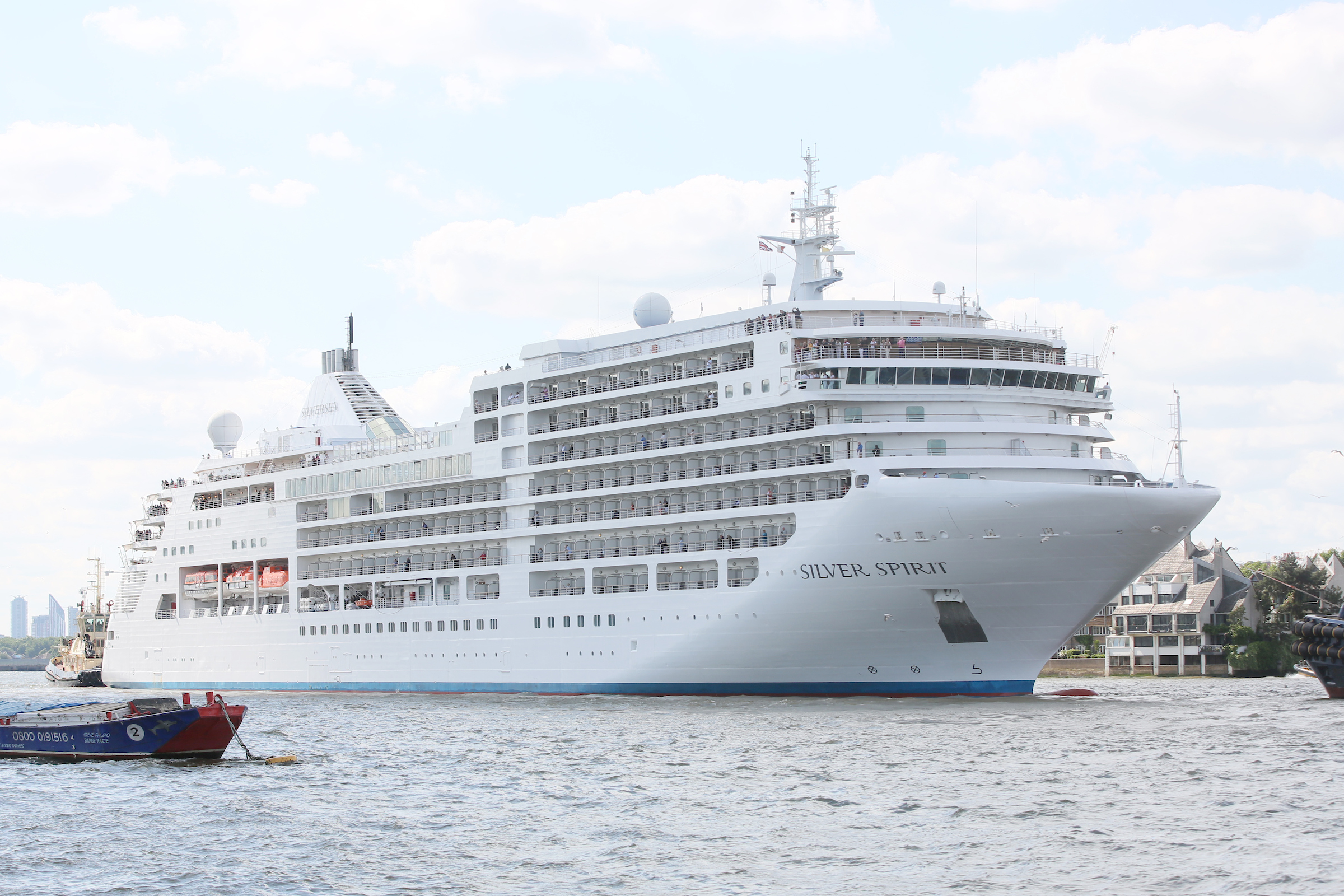
Silversea · Silver Spirit
Overview
A 11-night voyage aboard Silver Spirit, departing New York on 7 Sept 2028 and arriving in Montreal, calling at 9 destinations along the way.
New YorkBoston, USARockland, MeHalifaxSydney, Nova Scotia, CanadaCharlottetown, CanadaSaguenayQuebec City, CanadaMontreal
Cabin prices
Live prices per person based on two sharing. Select a grade to see its fare options.
Loading live cabin prices…
Itinerary
11 nights · 13 ports of call- 1
Day 1 ·New York, NYEmbark
7 Sept 2028Arrive 05:00Depart 18:00The city comprises the central island of Manhattan along with four other boroughs: Brooklyn, Queens, the Bronx and Staten Island. To many, Manhattan is New York. The 22-square-mile island is divided into the three districts of Downtown, Midtown and Upper Manhattan. There are countless museums, theaters, restaurants and parks. Many residents never get to see it all in a lifetime, so don't expect to take it all in during one visit. - 2
Day 2 ·At Sea
8 Sept 2028 - 3
Day 3 ·Boston Massachusetts
9 Sept 2028Arrive 08:00Depart 19:00Historic yet revolutionary, few places embody the American dream quite as well as Boston - and you’ll feel the strong independent streak, and pride in the founding ideals of freedom and independence wherever you go. Skyscrapers mingle harmoniously with cobbled streets, and every footstep here promises new tales of legend, daring and valour, as you walk through the pages of history and immerse yourself in the stories of one of the USA’s oldest cities.
The flashing colours of Fall – a period when the foliage around Boston explodes with blazes of red, orange and purple – attract visitors from across the world, more than compensating for the northerly city’s harsh winters. Green open spaces like Boston Public Garden also decorate the city, offering breathing space, and the chance to enjoy blossom-perfumed sanctuary,as you sit among scampering squirrels and quiet boating lakes. At times, Boston feels like an open-air history museum, and the Freedom Trail links together the city’s many valuable historic sites. It’s no exaggeration to say that the world’s history pivoted significantly on this humble two-and-a-half-mile trail. Wander across incendiary sites like the Boston Massacre Site, and Bunker Hill - where the first shots of the American Revolutionary War were fired, eventually leading to independence from British rule. Fenway Park is the cathedral-like home of Boston’s famous Red Sox, and a must visit for any sports fan. You’ll also find plenty of acclaimed New England seafood to sample, including famous buttery clam chowder. Restaurants in the thriving Seaport District serve up freshly harvested crab and lobster, accompanied by spectacular views of the crashing Atlantic waves. - 4
Day 4 ·Rockland, Maine
10 Sept 2028Arrive 08:00Depart 19:00Rockland is a city in Knox County, Maine, in the United States. As of the 2010 census, the city population was 7,297. It is the county seat of Knox County. The city is a popular tourist destination. - 5
Day 5 ·At Sea
11 Sept 2028 - 6
Day 6 ·Halifax
12 Sept 2028Arrive 07:00Depart 15:00A city that thrives on a diet of music, outdoor events and ocean-faring history, Nova Scotia's capital - and Atlantic Canada's largest conurbation - oozes salt-licked charm. The star-shaped fortress of Halifax Citadel sits above the city, while down below, Halifax revolves around its bustling harbour. Here, jet-skis skid across the water and heritage ships jaunt out to scenic offshore islands. Music carries on the waterfront's breeze as summer’s events play out, while a hefty population of pubs and restaurants provides all the space required for sitting back and relaxing. View less
The shorefront boardwalk invites you on a gentle stroll along the waves, wandering back through Halifax's history. The Canadian Museum of Immigration waits at Pier 21 and was the doorway to a country of opportunity for so many - with over a million immigrants taking their first footsteps into Canada here. The pier's wooden boards are dotted with cafes, craft shops and artist studios. Sail deeper into seafaring heritage at the maritime museum. As the closest city to the sinking of the Titanic, recovered victims were transported to - and many were buried - in Halifax. The story, and items from the doomed vessel, are displayed in the museum's collection. Peggy's Cove lighthouse is nearby, and this immaculate little lighthouse is one of Canada's favourite, watching out stoically over the Atlantic's waves. With rich pickings available from its coastal location, the fruits of the sea are served up in the fryers of Halifax's varied restaurants - try seared scallops and juicy mussels. Round off any meal with a buttery blueberry grunt dessert – delicious when served up warm with a dollop of melting vanilla ice cream. - 7
Day 7 ·Sydney, Nova Scotia
13 Sept 2028Arrive 09:00Depart 17:00Surrounded by raw ocean and gorgeous coastal scenery, Cape Breton island's only city is a remote and awe-inspiring place. Formed around a former steel plant, Sydney now thrives on welcoming visitors, ushering them into the very heart of beautiful Nova Scotia. Delve deep into the heart of this scenic island, to see extraordinary natural sights and learn of the customs of the native Mi'kmaq people in Membertou Heritage Park. Wander the tidy new boardwalk, and hike among wild and rugged coastline, capped by flashing lighthouses. View less
A place of thrilling, undulating coastal drives, pretty historic colonial houses dating back to the 1780s, and craggy coastal walks, Sydney is effortlessly easy on the eye. The waterfront is the best place to take a stroll, accompanied by the rustle of washing waves and the gentle melodies of musicians. There’s always a song in the air here, and you can even visit the unique monument to the region’s tuneful talents at the world’s biggest fiddle. The adjacent market will be music to any shopper’s ears. Open-air exhibitions like the Nova Scotia Highland Village Museum, bring together the local culture, while elsewhere you can learn of the coal mining that transformed Sydney into a thriving steel capital. Alexander Graham Bell spent time on these shores in nearby Baddeck – and you can find out more about his life and innovations – which were far more comprehensive than just the telephone - in the dedicated museum. Although Sydney was founded by the British in 1785, there were plenty of tussles with the French over the years that followed. Get an insight into the region’s military past, brought to life at the Fortress of Louisbourg – a massive, reconstructed French fortified city, where soldiers clank along the streets and artisans stir thick bowls of melted chocolate. - 8
Day 8 ·Charlottetown
14 Sept 2028Arrive 08:30Depart 16:00Known as the birthplace of Canada, owing to its role as host of the conference that would eventually lead to the formation of the Canadian Confederation - Charlottetown is a celebration of all things Great White North. Perched just offshore on Prince Edward Island, there’s a small-town charm to the locals’ genuine smiles that is instantly disarming. Despite its capital status, the city’s welcoming demeanour, pretty timber lighthouses and low-key coastal location, make Charlottetown an easy-going, idyllic island escape.
1864 saw Charlottetown lead the Confederation Conference, welcoming delegations from Nova Scotia, New Brunswick and Prince Edward Island to Province House. Together, they thrashed out the plan to create the Dominion of Canada, which was formally enacted three years later. This key role in the birth of the nation is worn proudly as a badge of honour here, and the gargantuan Confederation Centre of the Arts pays tribute to this historic chapter, while also providing space for contemporary cultural pursuits to shine. The auburn pigtails of Anne of Green Gables are also a regular sight around these parts. Canada’s much loved, longest-running musical, premiered right here in Charlottetown in 1965. The abundant natural resources of the Atlantic make Charlottetown a haven for rich, juicy seafood - like tender lobster and mussel pots. Charlottetown’s cuisine is also imbued with quality via the Culinary Institute of Canada - which simmers the area in cooking talent - while its thriving craft brewing scene adds a hoppy tang to the area’s friendly bars. - 9
Day 9 ·10 knots zone
15 Sept 2028Arrive 00:44Depart 00:45 - 10
Day 10 ·At Sea
15 Sept 2028Arrive 20:45Depart 20:46 - 11
Day 11 ·Saguenay
16 Sept 2028Arrive 13:00Depart 20:00The gateway to the Saguenay Fjord, the city lies at the intersection of a triad of sprawling national parks, amid some of North America’s most impressive scenery. Embark on adventures to witness leaping waterfalls, forest-clad fjord banks, and whales crashing athletically offshore. Learn more of Saguenay's heritage, with a tour of the picturesque pulp mill, which dates back to the 1800s, and now houses a museum. Elsewhere the Petite Maison Blanche is a humble wooden house that was one of the few buildings to survive the floods of 1947. View less
It’s the expansive scenery of Fjord-du-Saguenay National Park that draws most visitors to this part of Northern Quebec, however, and you can venture out to immerse yourself in the immense Ice Age fjord's national park, as it gouges through a spectacular 60-mile route, before unloading into the St. Lawrence River. Said to be the Northern Hemisphere’s most southerly fjord – and one of the world’s longest - it's 270 metres deep in parts, and towered over by steep, scenic slopes. Get out to meet the area’s varied wildlife – which ranges from moose and wolves to orcas, belugas and blue whales. Sail on the surface in kayaks, or take a sightseeing cruise. Earthy trails invite you to hike in the fresh air, among fragrant pine needles, while daring strung bridges, mountain bike routes, and climbable rock faces cater to the adventurous. Secluded rocky beaches and rejuvenating spas offer a more relaxed way to experience Saguenay's charms. - 11
Day 11 ·Quebec City
17 Sept 2028Arrive 08:00Depart 19:00For centuries, a native Iroquois village occupied the cliff-top site of what is now Quebec City. The first permanent European settlement began in 1608 when Samuel de Champlain established a fur trading post. By 1663, New France had become a royal province, administered by a council appointed directly by the crown and answerable to the king's council in France. Long-brewing European struggles between England and France spilled over into the colonies, prompting the construction of Quebec's formidable fortifications. The Seven Years War put an end to French reign and left the city in English hands. The English successfully warded off an American attack in 1775, and for the next century Quebec quietly earned its livelihood as a center for shipbuilding and timber trade.
By 1840, when it was declared the provincial capital of Lower Canada, the accessible supplies of timber had run out. The final blow came with the appearance of steamships that could travel as far as Montreal, while sailing ships found it difficult to proceed beyond Quebec City. Losing its importance as a major port, the city experienced a decline but remained a center of small industry and local government. Later years saw a tremendous rise as tourism made use of Quebec's fantastic location and appearance. Being Canada's most historic city and the only walled city in North America earned it the classification of World Heritage Treasure by UNESCO in 1985. Today, the visitor is greeted by an authentic, profoundly French city, where 95% of its half million people are French-speaking. Both parts of the city - Haute-Ville and Basse-Ville (Upper and Lower Town) - feature winding, cobbled streets flanked by 17th- and 18th-century stone houses and churches, graceful parks and squares and countless monuments. Croissants and steaming cups of coffee at sidewalk cafés conjure images and aromas of Paris.
Great emphasis has been placed on Quebec nationalism; as a result the city has become a symbol of the glory of French heritage. The motto "Je me souviens" (I remember) is inscribed above the entrance to the Parliament Building and on the license plates of Quebec cars. As you come ashore, endless pleasures await you in this marvelous city. - 12
Day 12 ·MontrealDisembark
18 Sept 2028Arrive 07:00Depart 20:00The island of Montréal was first occupied by the St. Lawrence Iroquois, whose small village of Hochelaga, or ‘Place of the Beaver’, was situated at the base of Mont Royal. French explorer Jacques Cartier arrived here in 1535 while on an expedition searching for a northwest route to Asia. The soldiers of Paul de Chomedy, who had been ordered by France to ‘bring about the glory of God and the salvation of the Indians’, established the first settlement. Attempts to follow these instructions resulted in bloody conflicts with the Iroquois, until a treaty in 1701 guaranteed that the settlement was to be the main embarkation point for the fur and lumber trade.
Your ship: Silver Spirit
Explore Silver Spirit's cabins, dining and onboard facilities.