
4 nightsFrom Arrecife, Lanzarote, Canary Islands5 ports of call
4 nights Western Europe from Arrecife de Lanzarote (Canary Is.)
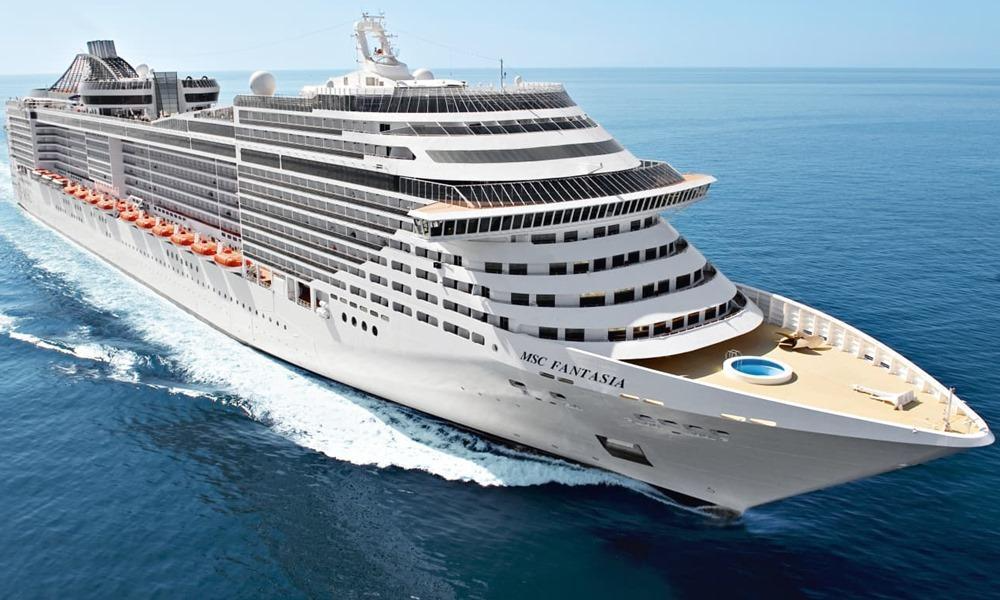
MSC Cruises · MSC Fantasia
Overview
A 4-night voyage aboard MSC Fantasia, departing Arrecife, Lanzarote, Canary Islands on 23 Mar 2028 and arriving in Arrecife, Lanzarote, Canary Islands , calling at 5 destinations along the way.
Arrecife, Lanzarote, Canary IslandsLas Palmas,Gran CanariaSanta Cruz de la Palma, La PalmaSanta Cruz de TenerifeArrecife, Lanzarote, Canary Islands
Cabin prices
Live prices per person based on two sharing. Select a grade to see its fare options.
Loading live cabin prices…
Itinerary
4 nights · 5 ports of call- 1
Day 1 ·Arrecife de LanzaroteEmbark
23 Mar 2028Depart 18:00Arrecife is a city in the Canary Islands (Spain) situated in the east of the island of Lanzarote of which it has been the capital since 1852. The city gives its name to the nearby international airport. Lanzarote, the northernmost and easternmost of the Canary Islands, is situated in the Atlantic Ocean, 115 kilometres off the coast of Africa. The climate, dry and mild throughout the year, is highly suitable for all kind of outdoor sports. Lanzarote is different, not only compared to the other islands, but to everything else on this planet. This extraordinary landscape seems to be of another world, and the inhabitants of the islands use to say that God forgot of Lanzarote on the Seventh Day of the Creation.
Lanzarote is of volcanic origin, as the other islands of the archipelago as well, but here volcanoes have been active still in 18th and 19th century. Great parts of its surface are covered with ashes and lava, and Lanzarote's inhabitants made a great effort to cultivate this land, where today it is possible to find large plantations of fruits and vegetables. Most surprising is perhaps the region of Geria, with vineyards between volcanic craters. Not to forget about are also the works of a Canarian architect and artist, Cesar Manrique, adding more attractions to this unique island. - 2
Day 2 ·Las Palmas de G.Canaria (Canary Is.), Spain
24 Mar 2028Arrive 07:00Depart 19:00Las Palmas de Gran Canaria Las Palmas is a city (and municipality) on the island, Gran Canaria, which is one of the Canary Islands (Spain) located 210 kilometers off the northwestern coast of the African continent within the Atlantic Ocean. It is also the capital city of the province of Las Palmas and the co-capital of the autonomous community of the Canary Islands, sharing this status with Santa Cruz de Tenerife. The city was founded on June 24, 1478, with the name "Real de Las Palmas" by Juan Rejón, head of the invading Castilian army, before engaging in war with the local Guanches (aboriginal people of the Canary Islands). In 1492, Christopher Columbus anchored in the Port of Las Palmas (and spent some time on the island) on his first trip to the Americas. He also stopped on the way back to Spain. Today, a museum is named after him -Casa Colón - in the Vegueta area of the city. Las Palmas de Gran Canaria is today a cosmopolitan city. It has five beaches (Las Canteras, Las Alcaravaneras, San Cristobal, El Confital and La Laja) and a big seaport (Puerto de la Luz harbor) that was very important during the 70s and early 90s (and benefited greatly from the closure of the Suez Canal during the Arab-Israeli conflict). - 3
Day 3 ·Santa Cruz de La Palma
25 Mar 2028Arrive 08:00Depart 18:00Arriving to the Port of Santa Cruz de la Palma in the Canary Islands on an MSC cruise ship is an incredible feeling. The city was founded inside the Calderata, an ancient volcanic crater that rises to a height of 1800 metres, protecting the sailing vessels of the past, and the cruise ships of today, from the wind.
The history of Santa Cruz de la Palma, once an important stop on the trading route to the East Indies, has enriched it with fortifications, such as Castillo de Santa Catalina and Castillo de Santa Cruz del Barrio, constructed in the second half of the 16th century to defend Santa Cruz de la Palma from attacks by pirates.
However, the historical heritage of the city centre, which is encountered at practically every corner, dates back to the Renaissance, Baroque and Classical periods. It will be worth your while to loose yourselves among the streets, if for nothing else, than to simply admire their unique balconies, such as the one in Avenida Maritima. - 4
Day 4 ·Santa Cruz de Tenerife
26 Mar 2028Arrive 07:00Depart 23:00Santa Cruz de Tenerife is the port capital of Tenerife, the largest of Spain’s seven Canary Islands. The city showcases incredible sights such as the Plaza de Espana, the church of St. Francis of Assisi, and the soaring white wave auditorium, the Auditorio de Tenerife. This quintessential Canary Island’s town is a colourful MSC Mediterranean Cruises destination where you can soak up the sun, dine in style, or take a dip in glittering waters. - 5
Day 5 ·Arrecife de LanzaroteDisembark
27 Mar 2028Arrive 09:00Arrecife is a city in the Canary Islands (Spain) situated in the east of the island of Lanzarote of which it has been the capital since 1852. The city gives its name to the nearby international airport. Lanzarote, the northernmost and easternmost of the Canary Islands, is situated in the Atlantic Ocean, 115 kilometres off the coast of Africa. The climate, dry and mild throughout the year, is highly suitable for all kind of outdoor sports. Lanzarote is different, not only compared to the other islands, but to everything else on this planet. This extraordinary landscape seems to be of another world, and the inhabitants of the islands use to say that God forgot of Lanzarote on the Seventh Day of the Creation.
Lanzarote is of volcanic origin, as the other islands of the archipelago as well, but here volcanoes have been active still in 18th and 19th century. Great parts of its surface are covered with ashes and lava, and Lanzarote's inhabitants made a great effort to cultivate this land, where today it is possible to find large plantations of fruits and vegetables. Most surprising is perhaps the region of Geria, with vineyards between volcanic craters. Not to forget about are also the works of a Canarian architect and artist, Cesar Manrique, adding more attractions to this unique island.
Your ship: MSC Fantasia
Explore MSC Fantasia's cabins, dining and onboard facilities.