
12 nightsFrom Miami, Florida6 ports of call
Miami to Callao
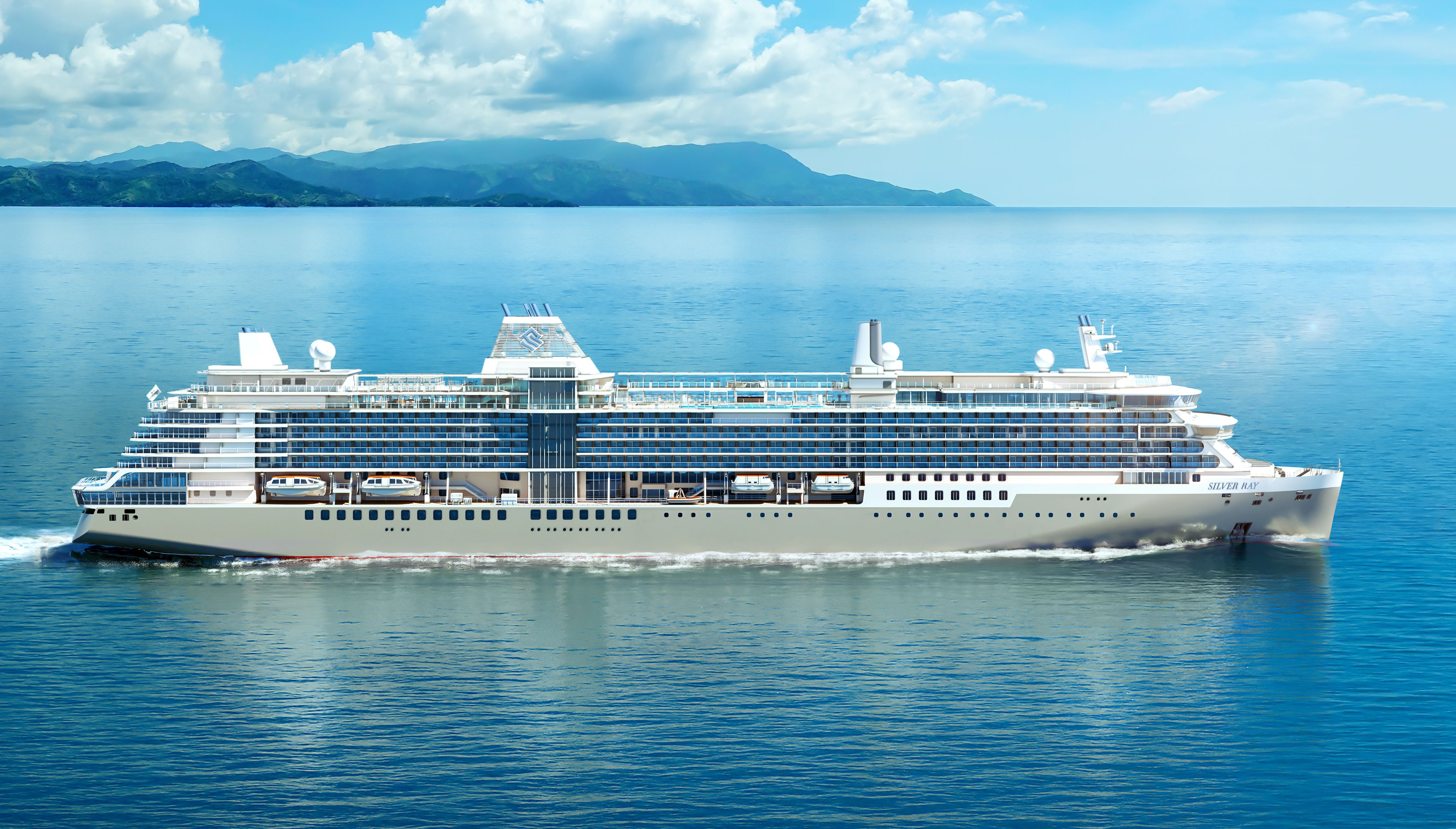
Silversea · Silver Ray
Overview
A 12-night voyage aboard Silver Ray, departing Miami, Florida on 15 Jan 2028 and arriving in Callao, Peru, calling at 6 destinations along the way.
Miami, FloridaCozumelPuerto LimonColon, PanamaMantaCallao, Peru
Cabin prices
Live prices per person based on two sharing. Select a grade to see its fare options.
Loading live cabin prices…
Itinerary
12 nights · 13 ports of call- 1
Day 1 ·Miami, FL , United StatesEmbark
15 Jan 2028Depart 19:00Miami, officially the City of Miami, is a metropolis located in southeastern Florida in the United States. It is the third most populous metropolis on the East coast of the United States, and it is the seventh largest in the country. Wikipedia - 2
Day 2 ·At Sea
16 Jan 2028 - 3
Day 3 ·Cozumel Quintana Roo Mexico
17 Jan 2028Arrive 08:00Depart 23:00Dive into the exuberant, colourful world of Cozumel - a Mexican island of exceptional scuba diving, snorkelling and dazzling beaches. Abundant underwater ecosystems swirl among reefs of black coral - attracting experts and beginners alike to the azure waters of this island. Mayan mythology says Cozumel was the sanctuary of the Goddess of fertility and love, Ixchel - and this seducing Mexican island of adventure and allure leaves all visitors head over heels.
Waiting across the Carribean waters from Playa Del Carmen, and a world away from its lively resorts, Cozumel is an idyllic land of gently curving palm trees and tropical shores. Playa Palancar occupies the western coast, with velvety powder and balmy Caribbean seas. Relax, with just the notes of the washing sea and whispering palm trees accompanying you during splashes through the shallow waves or tanning sessions on the soft sand. Playa El Cielo - or the appropriately named Heaven Beach - is home to a divine constellation of starfish resting on the seabed, below its glass-clear waters. Stingrays and sea turtles also swirl in the waters, as you snorkel through some of the island's most vibrant and diverse displays of marine life. Beach bars serve up spicy Mexican fare with a seaside twist - like delicious prawn fajitas, fish tacos and lime-squeezed ceviches. The crumbling San Gervasio ruins, meanwhile, offer cultural intrigue and a fascinating insight into the remarkable ancient Mayan civilisation. Despite the presence of majestic ruins from antiquity, it's the giant iguanas, soaking up the sun in clearings, who often unwittingly steal the show. - 4
Day 4 ·At Sea
18 Jan 2028 - 5
Day 5 ·At Sea
19 Jan 2028 - 6
Day 6 ·Puerto Limon, Costa Rica
20 Jan 2028Arrive 08:00Depart 18:00Puerto Limon, once an important banana port, is the capital of Costa Rica's Limon Province on the Caribbean coast. The town offers few sights, but serves mainly as a gateway to Costa Rica's rugged wilderness. Costa Rica's capital, San José, is a good two and a half-hour drive from Puerto Limon.
When Columbus discovered Costa Rica during his last voyage, rumors of vast gold treasures led to the name of Costa Rica (Rich Coast). The Spaniards settled in the Central Valley; additional immigrants from northern Spain increased their numbers considerably. The local Indian population was soon greatly diminished due to diseases brought by the settlers. In 1821 the country declared independence from Spain. In an effort to create a source for revenue, coffee was introduced from Panama in 1791. The government offered free land to coffee growers, thus building up a peasant landowning class. The first coffee exports were carried on mule-back to the ports; by 1846 oxcarts were used to transport the coffee to Puntarenas. A few years later, there was a large flow of coffee to overseas markets, which was facilitated by the opening of a railway from San Jose to Puerto Limon on the Caribbean. Later a railway was built to the Pacific port of Puntarenas. Today, the country's economy is based on the export of coffee, bananas, meat, sugar and cocoa.
Tourists particularly enjoy the country's well-kept national parks and nature reserves that have been established to protect the extremely varied Costa Rican ecosystems, such as the few remaining patches of the dry tropical forest and the unique cloud forest. - 7
Day 7 ·Colon, Panama
21 Jan 2028Arrive 09:00Depart 17:00Colon welcomes you to one of humanity's most extraordinary engineering endeavours, the Panama Canal. This extraordinary waterway connects two of the world’s great oceans and, on opening, saved ships from an epic and treacherous 8,000 mile voyage around Cape Horn. While the Atlantic Entrance is Colon's main raison d’etre, there is much more to this city on the canal’s grand gateway than first meets the eye.
Take an old world voyage on the regally romantic Panama Railway Canal, which preceded the canal and was constructed at extraordinary human cost to traverse Panama’s narrow land. The tracks have been rolling since the 19th century and cosying up inside the historic carriages, with their gleaming glass ceilings and polished woods, is an elegant journey back through time to the period when this was the quickest route from the east coast of the USA to California’s gold rush dreams. A side trip to the UNESCO World Heritage Site Portobelo is also a must. With its reef rock fortifications built by the Spanish in the 17th century, these jagged jaws of coral were carved to cut approaching pirates and conquistadors to shreds. It shares its World Heritage Site designation with nearby Fort San Lorenzo, which perches on an emerald-green cliff, casting its gaze over the harbour below. Back in Colon, after staring in awe at the grand, clanging Gatun Locks, and splurging on a case of duty-free rum and trinkets from the Colon Free Trade Zone - a trip to the beach will soothe city-worn souls. Playa La Angosta is a rabble of raucous beach-going fun, where the blue waters swirl with bright banana boats and fleeting canoes. Relax on the sand among sizzling yuca fritters, and families clamouring in the shade of cabanas. On the Caribbean side, Playa Chiquita is accessible only by boat, but rewards with warm gin-clear waters backed by thick rainforest. - 8
Day 8 ·Panama Canal Transit
22 Jan 2028Enter the mighty Panama Canal, one of history’s most ambitious and spectacular stretches of waterway. Connecting the Atlantic and Pacific oceans, and slicing through the heart of a continent, the canal is a staggering engineering triumph, eliminating the need to traverse the treacherous waters of South America and Cape Horn. Sail one of the world’s great canals to appreciate the true scale of this achievement, as your ship manoeuvres between its vast, gushing locks and huge lakes. View less
The French began construction in 1881, but the costly project was left abandoned and unfinished until the United States finally completed the work in 1914. Following the path of the Panama Railway of 1855, locks raise ships large and small 26 metres up above sea level to the canal’s elevated channel. New locks have recently been added, which allow the canal to accommodate ever bigger ships. Leaving the confinement of the locks, you will enter the canal’s channel, to sail through Panama’s core. Wide lakes are linked by painstakingly chiselled wedges of canal, which slice through the lush scenery. Look out for the Culebra Cut section, the most challenging stretch of the entire route to construct. The Bridge of the Americas is a vast arched landmark, which sweeps across the Pacific Entrance and was completed in 1962. It’s one of several huge bridges that you will sail below on the 51-mile journey, including the much newer Centennial Bridge, and the Atlantic Bridge, which spans the entrance close to Colon. - 9
Day 9 ·At Sea
23 Jan 2028 - 10
Day 10 ·Manta, Ecuador
24 Jan 2028Arrive 08:00Depart 19:00Manta is one of Ecuador’s ports along the central coast and the most populated city in Manabi Province. Its existence can be traced to pre-Columbian times when Manta was a trading post for the Incas and Mantas. It was also the port where Charles Marie de La Condamine arrived, leading the French mission to measure the location of the equator in 1735. - 11
Day 11 ·At Sea
25 Jan 2028 - 12
Day 12 ·At Sea
26 Jan 2028 - 13
Day 13 ·Lima (Callao)Disembark
27 Jan 2028Arrive 07:00
Your ship: Silver Ray
Explore Silver Ray's cabins, dining and onboard facilities.